
New York State’s Clean Energy Careers
Green Skills, Golden Opportunities
By Melissa Everett | Winter 2024/2025 | Clean Power Guide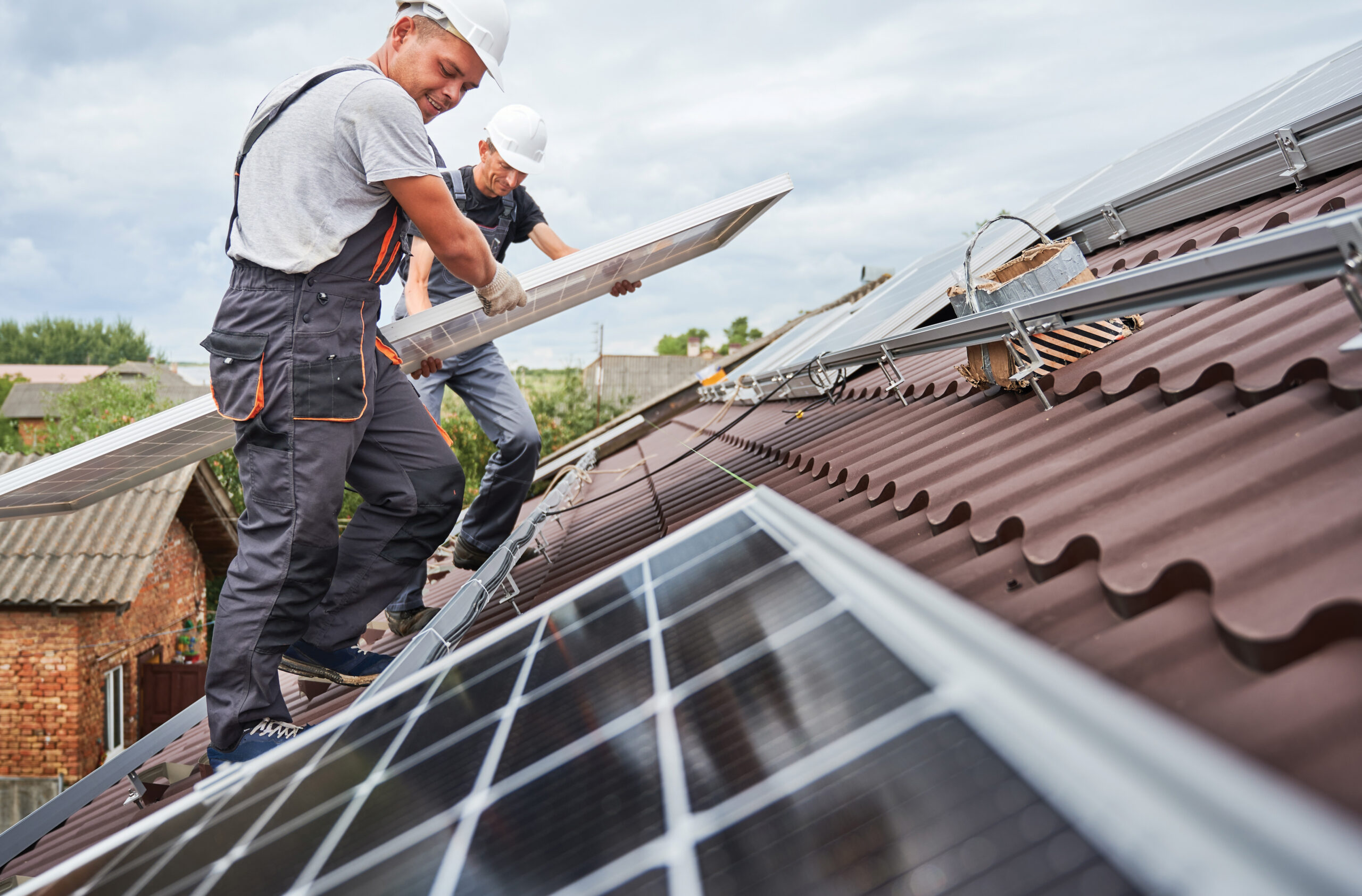
Over the past year, the clean energy sector has experienced significant growth nationally, adding more than 250,000 jobs. In New York alone, the Climate Leadership and Protection Act (CLCPA) is projected to add 160,000 new jobs by 2030. This expansion presents numerous opportunities. But what do these roles entail, and how can you pursue them?
Direct benefits of the CLCPA’s policies and funding programs are the energy efficiency and clean energy industries. These include:
• Building weatherization and insulation
• Heating, ventilation and air conditioning through advanced systems such as air source and ground source (geothermal) heat pumps and heat pump water heaters
• Solar electricity on rooftops and larger scale installations serving communities and utilities
• Wind, both offshore and on land
• Electric vehicle production, conversion, sales and service
• Battery storage manufacturing, installation, and maintenance.
The clean energy field is broader than the CLCPA specifically requires and funds, including areas such as bioenergy and solar water heating which make sense in specific contexts. And green jobs are broader still, from urban forestry to environmental public health. But let’s dive into clean energy as a broad-enough field and a growing one.
Behind the scenes of all these products are constant innovations in materials, design, production, and implementation. For instance, a breakthrough in EV charging design for urban settings comes from the Brooklyn based company Voltpost, which has developed a charging technology designed to be embedded in street light poles. One of the biggest areas of innovation in climate tech is software and system controls. Another is innovative materials for efficient buildings, panels, turbines, batteries, and more.
To make sense of the gobs of information out there on green jobs, it helps to keep two truths in mind. First, there are many shades of green. That is, there are many nuances of ethics and impacts in clean and climate tech jobs across the range of employers, from mom-and-pop solar companies to Tesla. Employer size and stability also impacts the quality of jobs. For example, rooftop solar companies often operate at very thin profit margins, and installation is treated as an entry-level job. Utility- or community-scale solar companies, by contrast, are larger and in many cases, have unionized workforces.
Second, in today’s economy, occupational categories are murkier than they used to be. This brings us to annoying complexities when we try to make simple sense of whether an opportunity is really a job, and what its environmental benefits are. Example: installing and maintaining heat pumps is a cool and growing green job category. You can do that job for companies that specialize in only heat pumps. But you can also do that job working for a conventional oil or gas delivery company, as they see the trend and diversify their services.
You don’t need to specialize in the technologies to support the industries. They all need administrators, finance people, sales and marketing, project and site management, HR, graphic design, and customer care. And the industries need policy advocates, research and development engineers, and others focusing on the bigger picture. They, in turn, may need support staff who can grow into senior roles.
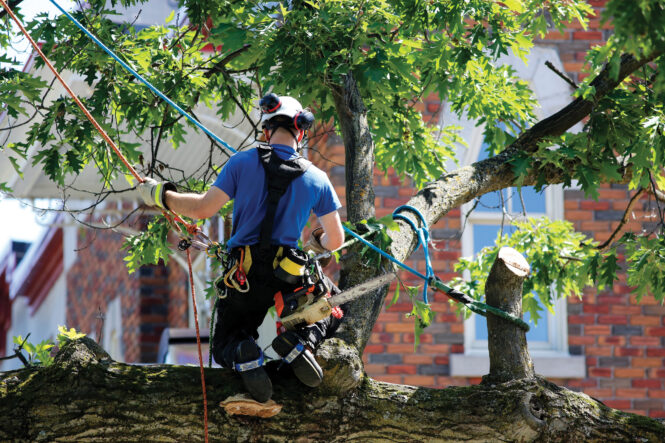
The clean energy sector contains a broad array of jobs, from solar installers to urban foresters and beyond.
If you do want to lean into the technology and develop a specialty, there are multiple entry points. Installing solar panels is an entry into the electrical trades. Insulating and weathering buildings is a small step into architecture; as you master the building science behind this work, you will be more equipped to go into architecture. Installing heat pumps and heat pump water heaters will give you a peek into the world of plumbing and HVAC.
While we used to talk about career ladders, today they are less consistent across employers and industries (and sometimes wobbly). The Department of Labor has come up with the euphemism “career lattices” to describe the less certain, more negotiable pathways you can take from entry level to greater expertise and responsibility. NYSERDA’s Clean Energy Career Maps (available at Nyserda.ny.gov) show the types of roles that are common in key clean energy industries.
Entering into these industries requires the usual mix of skill, thoughtful targeting, and hustle. Fortunately, there is unprecedented opportunity for exposure and low- to no-cost learning. Many campuses have clean energy or sustainability clubs and relevant classes. NYSERDA even publishes a directory of free, online training resources in clean energy. Trade associations such as NYSEIA (the NY Solar Energy Industries Association) and NY-GEO have conferences that welcome newbies.
As you figure out how to get closer to clean energy opportunities to identify the good ones, your greatest asset is your prior experience—even if you think it is teeny. Whatever you have done—be it sales, event organizing, graphic design, or service—highlight the aptitudes and experience this brings you, as a foundation to build on.
And building is easier than ever. New York has invested millions into helping employees to get a foot-hold in the clean energy economy. Paid workforce development programs include:
Paid internships, up to $17 an hour for 480 hours for students in New York colleges and universities at qualified employers.
Climate Justice Fellowships, providing a full year baseline salary for members of “priority populations” including people of color, veterans, and single parents—at workplaces willing to cover full health insurance benefits.
On-the-job training, paying employers for the initial phases of new hires training time.
And next year, there will be a (just-funded) wind safety training academy in the Town of Newburgh, developed by the International Brotherhood of Electrical Workers. Watch IBEW’s website for updates. Ibewlu363.org.