
How to Shop for an EV in 2026: Smart Tips for Hudson Valley Drivers
By Kiara Carman | Winter 2025 | Clean Power Guide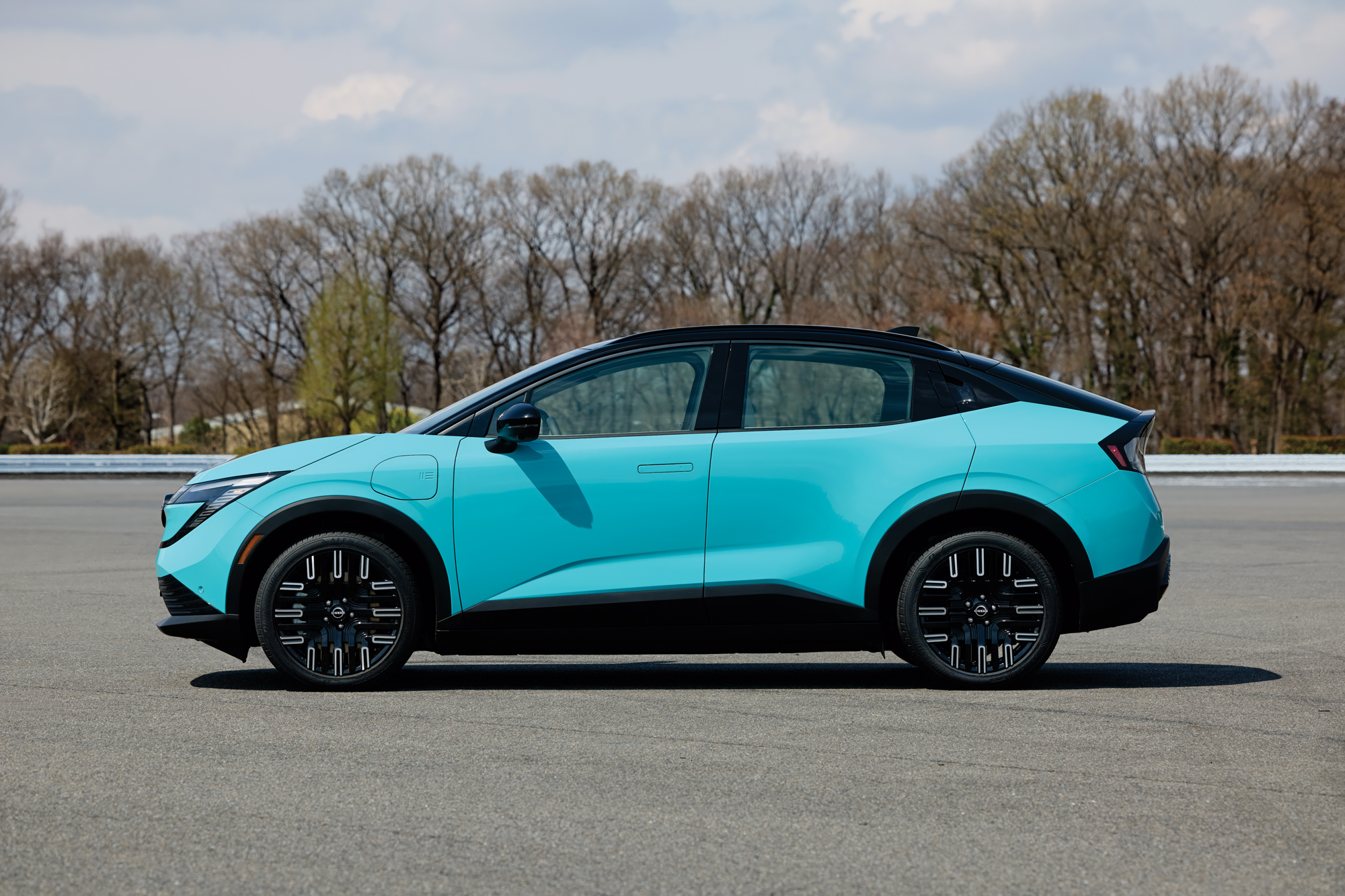
Globally, electric vehicle (EV) sales continue to climb, with EVs expected to make up one in four new cars sold by 2025. China leads the market, where more than half of new vehicles are already electric. In the United States, growth is slowing due to policy changes, including the repeal of federal tax credits or rebates for EVs and the pushback to California’s requirement that by 2035 all new passenger vehicle sales in the state must be zero-emission. California is the biggest passenger vehicle market in the country, so what happens there has effects on the rest of the country. Despite these setbacks, over 60 makes and models of EVs are available in New York, including two under $30,000, the 2026 Chevy Equinox and Nissan Leaf.EV enthuiast groups are proliferating all over, from the Electric Vehicle Association to EV Hybrid Noire.
Despite political headwinds, EV infrastructure continues to improve. Battery prices are falling as manufacturers expand capacity and diversify supply chains beyond China. Automakers are adopting common charging standards—Hyundai and Kia will now use Tesla’s system—and more companies are investing in fast-charging networks, including along the New York Thruway.
The benefits of going electric remain compelling. EVs have lower lifetime costs than gasoline vehicles: Electricity is cheaper per mile than gasoline, and EVs have far fewer moving parts, reducing maintenance expenses by up to 40 percent. EV drivers also tend to stick with the technology—92 percent say their next car will be electric.
Start with Your Budget
The smartest first step is understanding available incentives. New York’s Drive Clean Rebate offers up to $2,000 off the purchase or lease of eligible new EVs at participating dealerships. The amount depends on vehicle price and electric range; plug-in hybrids also qualify. A list of eligible models and participating dealers is available at Nyserda.ny.gov.
Choosing the Right Model
Once you know your price range, compare models on range, charging compatibility, and long-term costs. The Chevy Bolt remains one of the most popular EVs and returns in 2027 with a $29,000 model—though it currently will not qualify for the state rebate. Reliable, affordable options like the Nissan Leaf and Hyundai Kona Electric remain eligible and widely recommended.
Charging: Home First, Public Second
Most EV drivers charge at home. Public charging is expanding in the Hudson Valley, but Level 2 chargers—providing roughly 25 miles per hour of charge—still dominate. DC fast chargers are faster but limited in number and often have only one port. Utilities must upgrade infrastructure before networks can scale.
Home charging comes in two options:
Level 1: standard outlet; adds three to four miles of range per hour.
Level 2: 240-volt circuit; adds 20 to 40 miles per hour.
A Level 2 charger may require electrical panel or wiring upgrades, so consult a licensed electrician. Many utilities, including Central Hudson, Orange & Rockland, NYSEG, National Grid, and ConEd offer incentives for off-peak charging.
Many EVs include a Level 1 cable; Level 2 chargers are typically purchased separately. Leading options include the $600 ChargePoint Home Flex and the $620 Tesla Universal Wall Connector, both compatible with most EVs and designed for cold-climate charging.
Bottom Line
While US policy uncertainty has slowed the market, EV technology continues to advance, charging access is growing, and costs keep falling. With lower fuel and maintenance costs—and state rebates—EVs often remain the most affordable and environmentally sound choice over the long haul.