
From Policy to Reality: New York’s Fight for a Fossil-Free Future
By Melissa Everett | Winter 2024/2025 | Clean Power Guide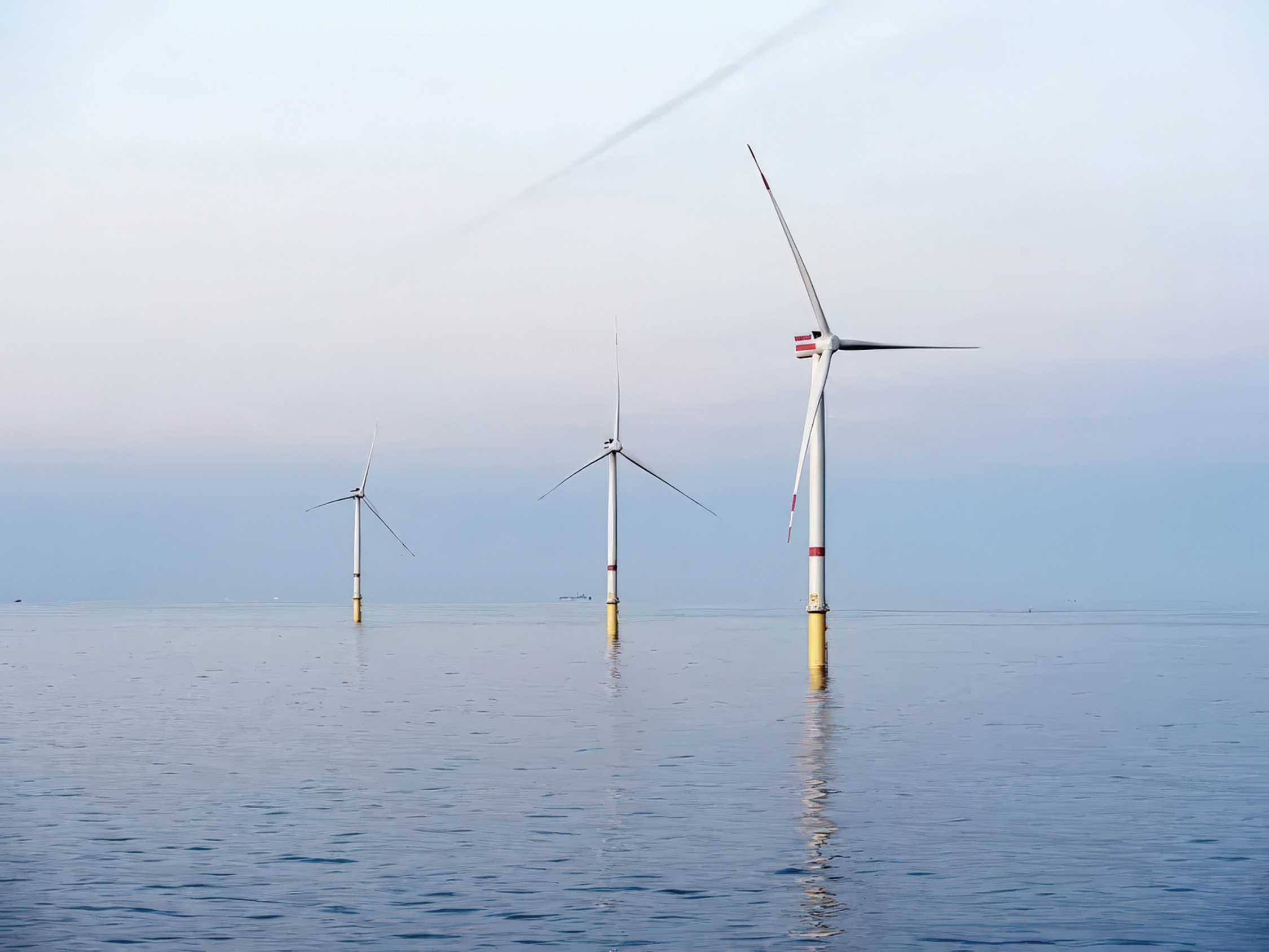
“We are blowing through our carbon budget the way an addict blows through cash.”
—Dr. Robert Howarth, Cornell University Professor of Ecology and Environmental Biology
Right now, the biggest commitments to action in New York are reflected in two major laws, New York’s Climate Leadership and Community Protection Act (CLCPA) and the federal Inflation Reduction Act (IRA). Both are in a class by themselves in terms of ambitious vision and financial investment to stop the emissions that are destabilizing the climate. Both are first big steps on a longer path of freeing economic prosperity from fossil fuel dependency.
In 2019, New York passed the CLCPA, a commitment to transformation of the state’s economy to operate on renewable energy supported by efficiency and battery storage. The law did not just set goals but established actual requirements to be met by suppliers of energy and transportation systems, industry—everybody—to decarbonize most of the way by 2040 and completely by 2050. State government, across agencies, was designated as the responsible party to make it happen with appropriate resources and policies.
With the passage of the CLCPA, state government quickly geared up to commission and permit transmission lines for large flows of renewable energy, create an Office of Renewable Energy Siting to sort out land use disputes, direct the utilities to plan for grid upgrades, and commission the first offshore wind installations—which has already resulted in turbines turning on the first Long Island wind farm.
The result is an infusion of money and help to make it fairly easy to insulate, go solar, install a heat pump, choose an EV, upgrade your wiring if needed, and look back without regret on the minor hassles that gave rise to your efficient, cheap-to-operate, fossil-free life.
The Federal Inflation Reduction Act adds benefits. There is even a Direct Pay program so that nonprofits can access benefits similar to tax credits without paying taxes, and a whole suite of programs to improve the economics of clean energy in historically marginalized communities. And the IRA has a wider impact, funding a wide range of technologies, including grid modernization hardware and software for the utilities.
With the passage of the CLCPA, New York launched a structured planning process for implementing the policies and programs that would make it realistic for home owners, business owners, and industry to comply. The DEC and NYSERDA created a Climate Action Council representing most state agencies, industry, and community interests. Stakeholders across the spectrum, from the trucking industry to the New York City Environmental Justice Coalition, were in the room as options were discussed and a policy framework—called the Scoping Plan—was created. It was refined after 20,000 public comments were received. DEC was directed to publish a regulatory framework linking the rubber to the road, by January of 2023. That framework has not emerged.
In spite of the money on the street and the widespread proof of possibility, politically, the CLCPA is in the doldrums. This is a result of two kinds of pushback: honest and cynical. There is room for honest people to wonder how millions upon millions of buildings and the entire electric grid will be decarbonized so fast. There is honest concern about “energy sprawl” among farming, historic, and community interests.
In spite of the money on the street and the widespread proof of possibility, politically, the CLCPA is in the doldrums. This is a result of two kinds of pushback: honest and cynical. Honest people can wonder how millions upon millions of buildings and the entire electric grid will be decarbonized so fast, or how to protect rural communities from “energy sprawl.”
But there has also been a cynical stirring of the pot, including a campaign by front organizations traced to the gas and propane industries, claiming literally that arms of the state would be confiscating furnaces. In reality, what we have so far are a few model local laws, such as Beacon’s, requiring heat pumps for new construction. So far, these have not caused a ripple because building contractors are learning that heat pumps work fine.
The CLCPA has opened a pipeline of funding and technical assistance to help all of us reduce our footprint, if we are willing to invest some time in understanding how to capture the opportunities.