
Architecture In Formation’s Values-Driven Approach to Design
By Architecture in Formation | Winter 2024/2025 | Architects Guide | Design Feature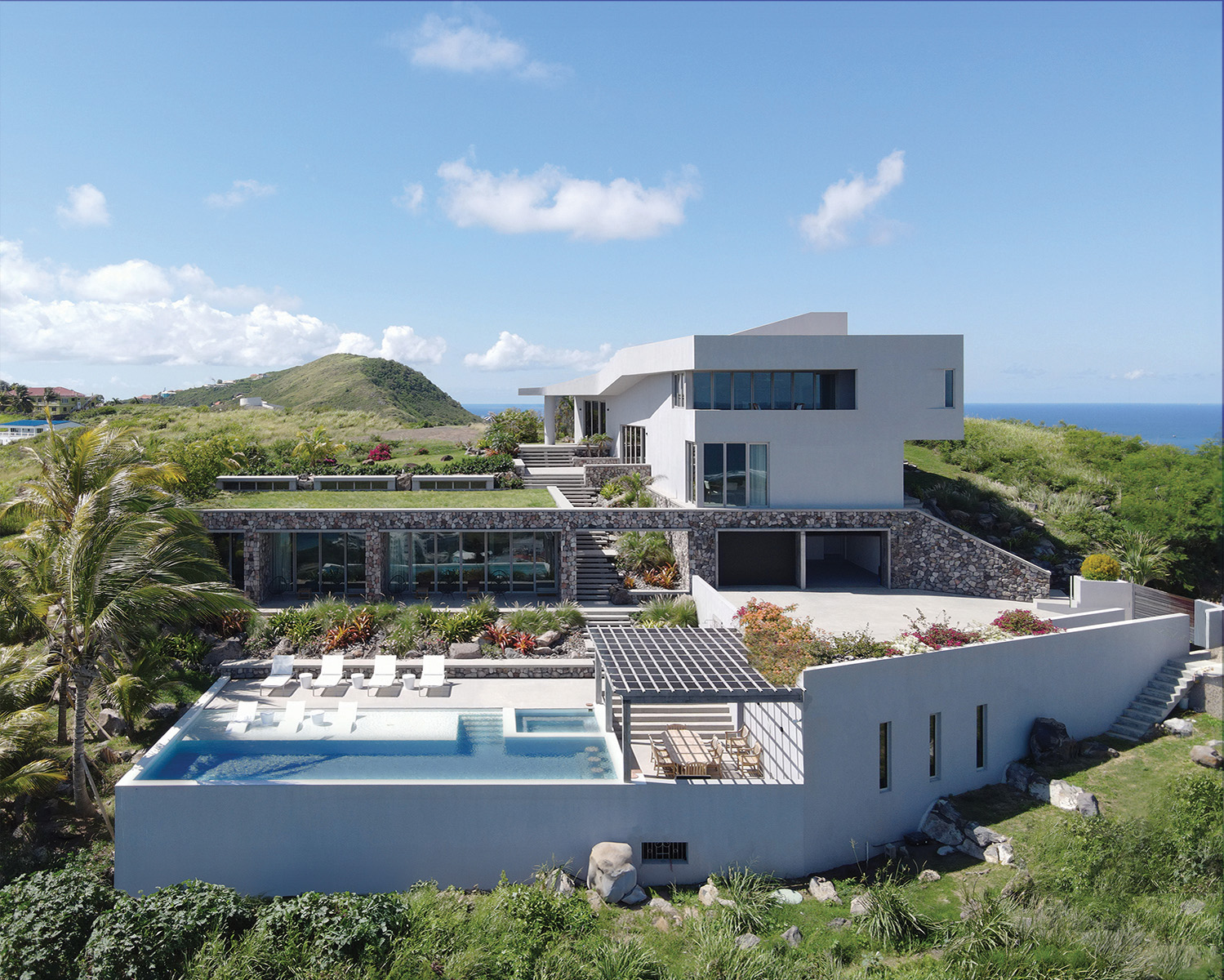
Architect Matthew Bremer can sum up his firm’s philosophy in a few simple words: “No two projects are ever alike.” Architecture in Formation practices what he describes as an “architecture of responsiveness,” which considers both the needs of the client and the community. As a result, his diverse resume includes high-end homes and visionary affordable housing, sleek modern dwellings and creatively adapted historic buildings. He sees every project as an opportunity to explore.
“I clearly didn’t go into architecture for the money or for a calm, relaxed, worry-free lifestyle,” laughs Bremer. “I went into it because it is fundamentally a messy, never-ending labor of love. It’s about constant exploration and learning. One thing that has truly evolved in our practice is that we are really a values-driven firm.”
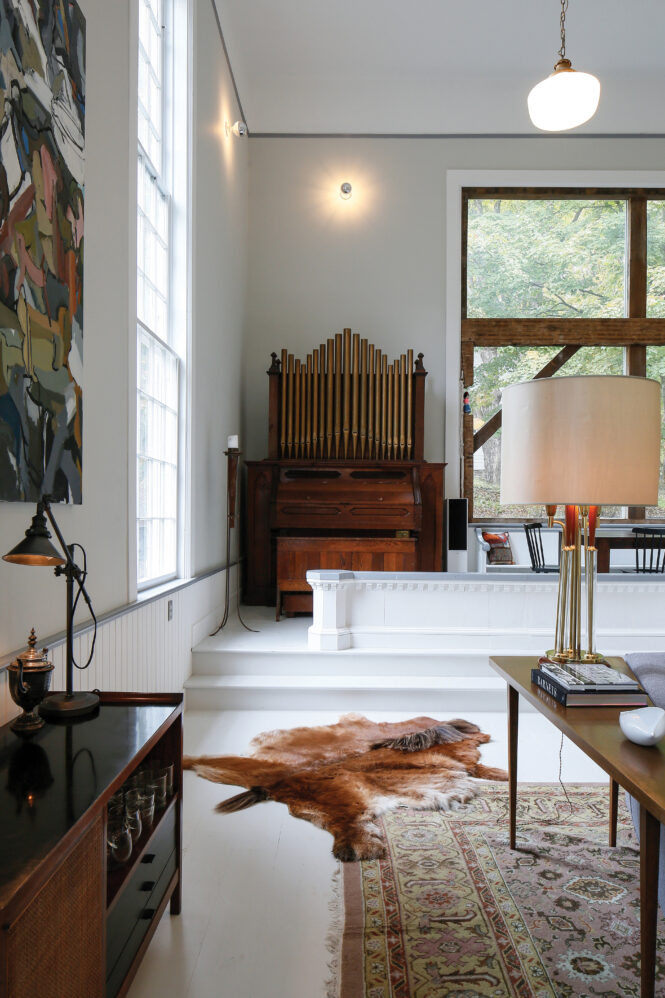
The interior of Matthew Bremer’s church-turned-home.
Those values include authenticity, integrity, beauty, a playful sense of humor, and dedicating a significant portion of the work to socially conscious projects.
Bremer is proud that over 50 percent of the firm’s portfolio is with nonprofit organizations or in the affordable housing sector, but that’s not to say he doesn’t enjoy designing high-end projects as well. Such work, which he calls a “not-so-guilty pleasure,” provides an opportunity to explore new concepts, materials, and technologies.
A memorable example is his design of the Viewfinder Compound on St. Kitts, an extended family compound in the Caribbean. Artfully echoing its natural island surroundings, the multi-level luxury home fits neatly into the hilly landscape, and is defined by a highly tactile stone interior and exterior walls.
“All of the floors are concrete with a lot of the local aggregate from the site ground into the floor, so that it very much becomes the color of the dirt and the ground and the mountain,” says Bremer. “The guest wing is entirely buried underground into the mountain, with the main house rising out of the rocks above. Below that is a series of te
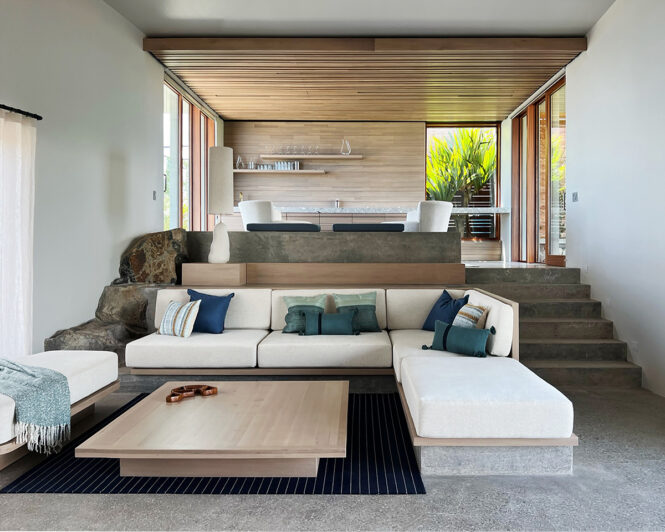
rraces. There’s a caretaker’s cottage that sits underneath the parking court, which is on the level of the pool area.”
The fantasy-making modern house stands in direct contrast with Bremer’s own home, a historic former church in the tiny hamlet of Phillipsport that demonstrates his adaptive reuse skills. He purchased the 200-year-old building in 2016, and his subsequent renovation landed it in the New York Times, Architectural Digest, and among Vogue’s 10 favorite upstate Airbnbs. The picture book exterior has aged gracefully. The sunny interior is now crisply modern, a home-as-sanctuary with 14-foot-high windows and 20-foot-high ceilings. “People are always blown away when they see it in person after the photos,” says Bremer. “It’s so cozy. It’s actually really big, but it’s warm, intimate, and inviting.
To make the soaring former church more energy efficient, Bremer added extra insulation; an energy-recovery system to capture and use energy that would otherwise be lost; and added storm sashes in lieu of removing the historic windows to capture additional heating value—techniques he’s become adept at employing in his more ambitious Passive House projects.
Now that he’s happily settled into the Hudson Valley himself, Bremer is building and adapting more homes in the area that line up neatly with the firm’s values: “We’re really out to create community, and just simply leave the world a better place than we found it.”