
Lighthouse Solar of New Paltz helps residents stay energy efficient
Lighthouse Solar of New Paltz helps Hudson Valley residents in their homes energy systems.
By Chronogram Media Branded Content Team | Summer 2026 | High-Performance House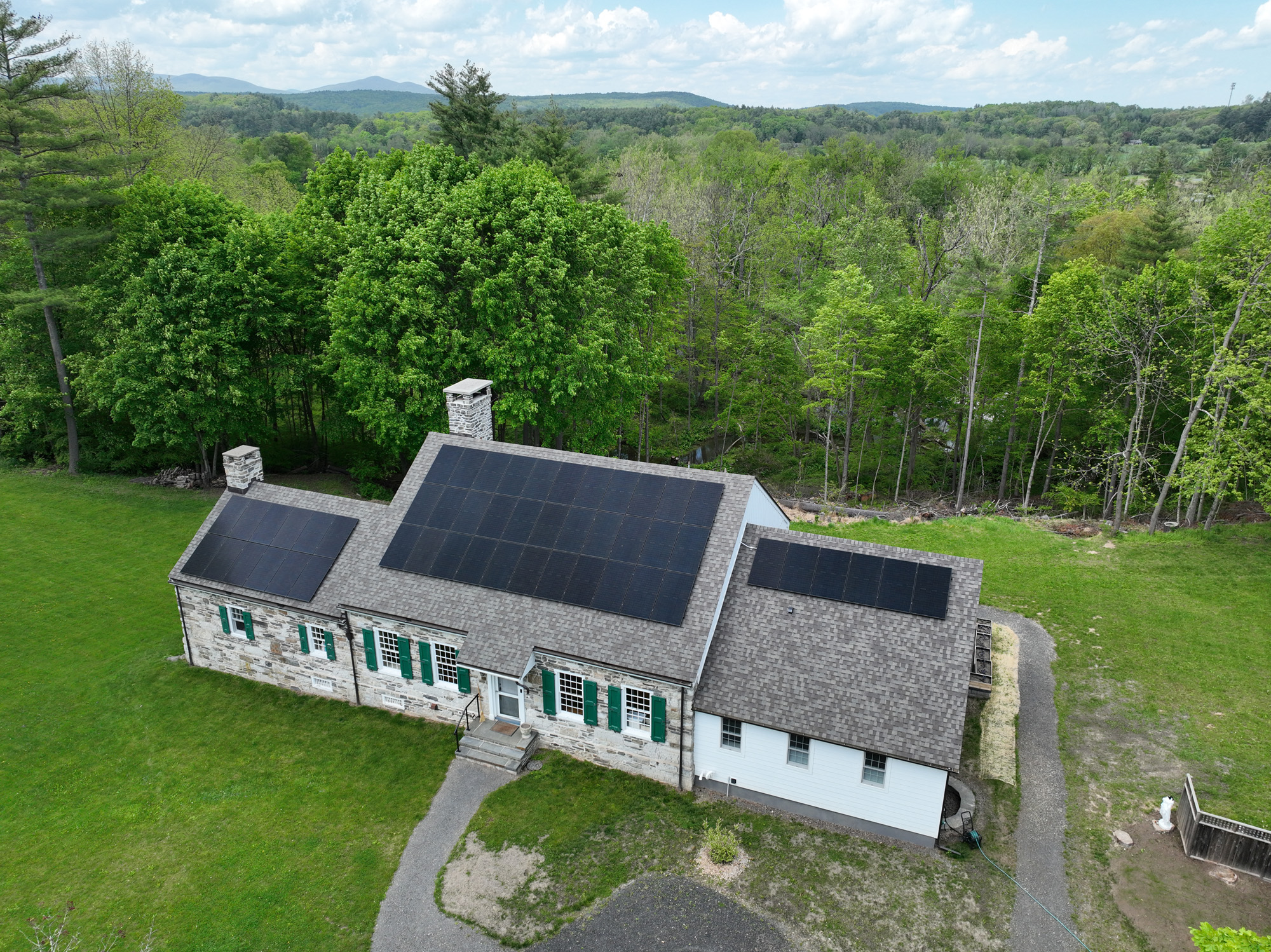
For homeowners considering solar in 2026, the pitch has changed. Not long ago, the conversation centered on federal incentives and simple rooftop installations designed to offset electric bills. Today, amid rising utility costs, worsening storm outages, and the sunset of the federal Investment Tax Credit (ITC) for residential solar systems, the focus has shifted toward resilience, energy storage, and long-term energy independence.
For New Paltz-based Lighthouse Solar, adapting to those changes is simply part of the business. Founded in 2009, the company designs and installs residential and commercial solar electric systems throughout the Hudson Valley and Catskills, offering everything from rooftop and ground-mounted solar arrays to battery backup systems, EV chargers, and electrical upgrades. Over the past 15-plus years, Lighthouse Solar principals Jason Iahn and Bryan McGurn have watched the industry evolve from a niche environmental investment into a mainstream infrastructure decision.
One of the biggest shifts in recent years has been the rapid improvement of battery technology. While battery backup systems were once viewed as expensive add-ons with limited practical value, McGurn says the technology has matured dramatically over the past two years. “For the first time, residential battery systems are capable of handling real-world whole-home loads in a meaningful way,” McGurn says. “That changes the conversation from emergency backup for a few circuits to true energy resilience.”
The improvement, he explains, isn’t simply about how long batteries last, but how much power they can deliver at once. Earlier systems often struggled with large startup loads like well pumps or air-conditioning compressors. Newer batteries can handle those demands far more effectively.
That advancement changes one of the longstanding frustrations of residential solar: traditional solar systems shut down during power outages for safety reasons. Pairing solar with battery storage allows homes to continue generating and using power even when the grid is down. “Historically, solar systems shut down during outages, which was always a frustrating disconnect for homeowners,” McGurn says. “With integrated battery storage, the system becomes far more resilient—the solar array continues producing power even when the grid is offline.”
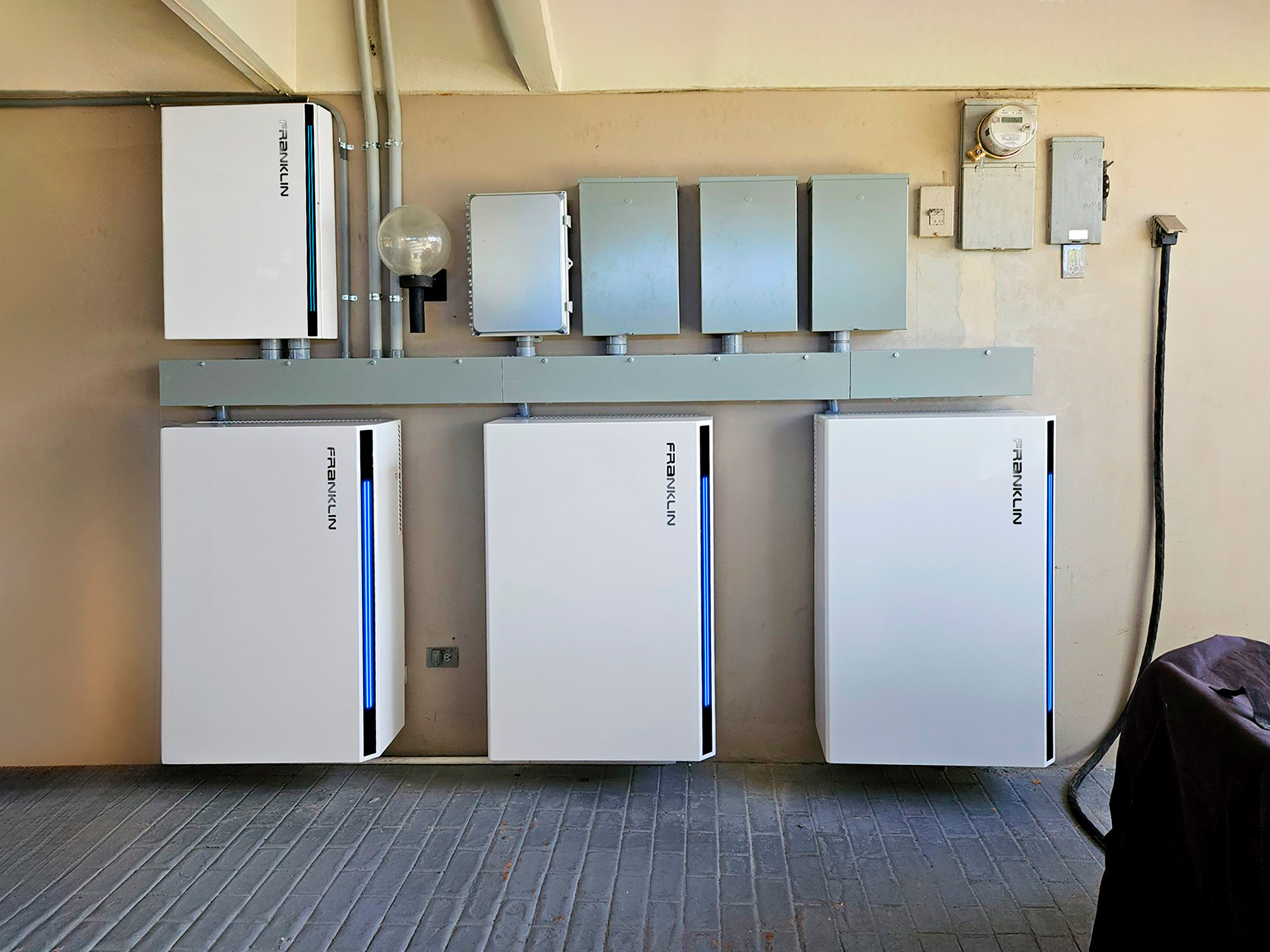
A battery system set up by Lighthouse Solar of New Paltz.
Battery systems have also become more practical for Hudson Valley winters. Many newer models can now be installed outdoors and include integrated heating systems that maintain performance even in subzero temperatures.
New York State incentives continue to support battery adoption. Through NYSERDA, homeowners can currently receive rebates of $200 per kilowatt hour of storage capacity, capped at $5,000. According to Iahn, many homeowners are now installing smaller solar systems paired with battery backup to balance budget and resiliency needs. “Homeowners aren’t thinking about solar as a standalone product anymore,” Iahn says. “They’re thinking about integrated energy systems that combine generation, storage, resiliency, and long-term utility savings.”
At the same time, the financing landscape has become more complicated following the expiration of the federal residential solar ITC at the end of 2025. While consumer interest remains strong, Iahn says much of Lighthouse Solar’s work now involves educating customers about new financing structures that have emerged in response.
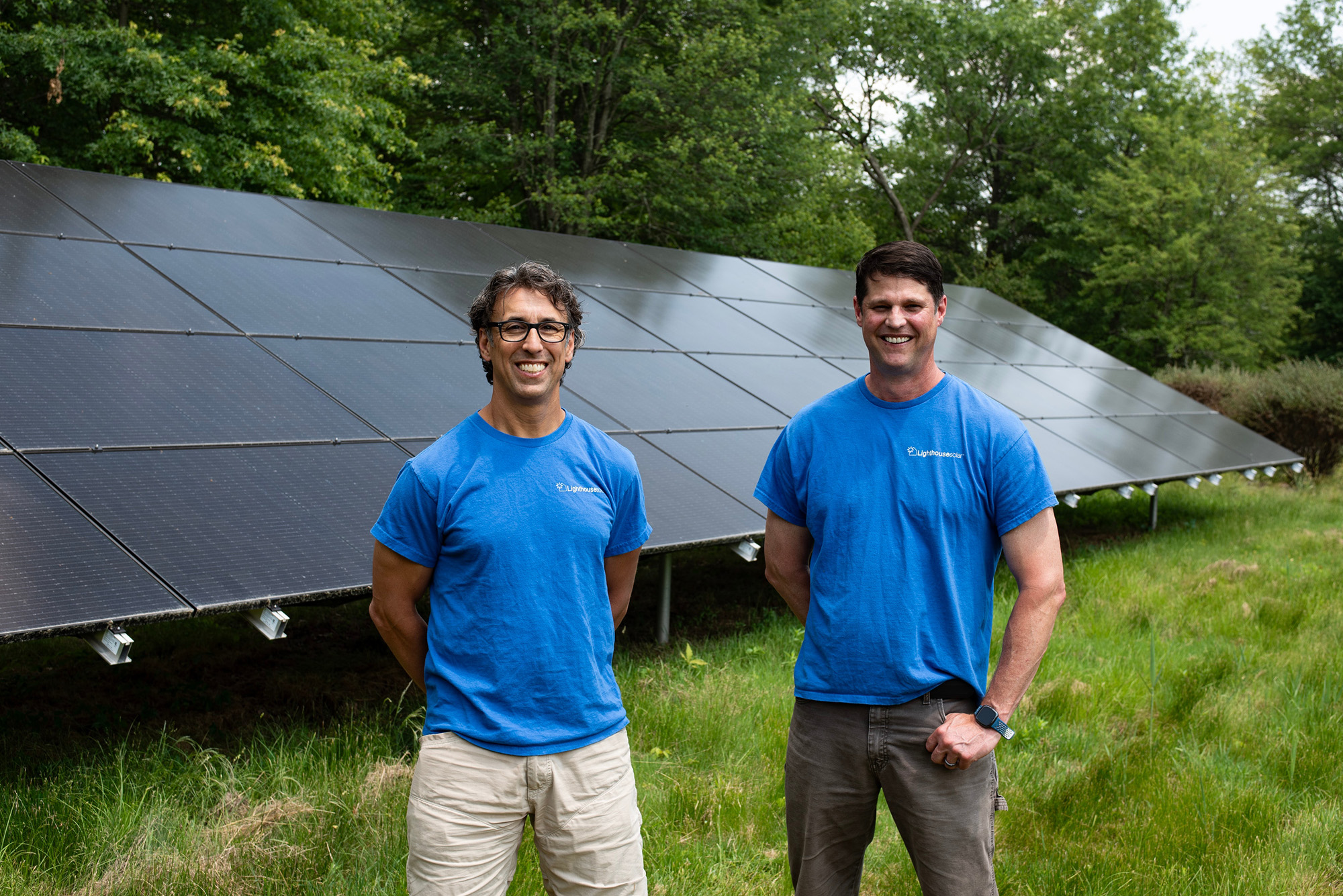
Jason Iahn and Bryan McGurn of Lighthouse Solar.
One option gaining traction is the prepaid lease model, which allows commercial financing entities that still qualify for federal tax credits to pass some of those savings along to residential customers.
Still, Iahn argues that rising utility costs continue to make solar financially compelling. Central Hudson rates, he notes, have risen far faster than many earlier projections anticipated.
“What you’re really doing with solar is locking in your energy costs at today’s rates,” Iahn says. “Utility prices continue to rise, but your production cost becomes far more predictable over the long term.”
And despite shifting policies and financing models, both principals say the long-term trend remains clear: energy prices continue to climb, while solar and storage technology keeps improving. “Historically, the market has never rewarded hesitation,” McGurn says. “Energy costs rise over time, while the technology continues to mature.”
Lighthouse Solar
4 Cherry Hill Road, New Paltz
(845) 251-2012; Lighthousesolarny.com