
Grigori Fateyev’s Efficient New Exhibit on Artist Studios Opens this July at Chesterwood
“Art Studios: How Artistic Processes Inform Architectural Design" examines how to design a space for making art and can be viewed at the Woodshed Gallery on July 20.
By Brian K. Mahoney | Summer 2026 | Community Spotlight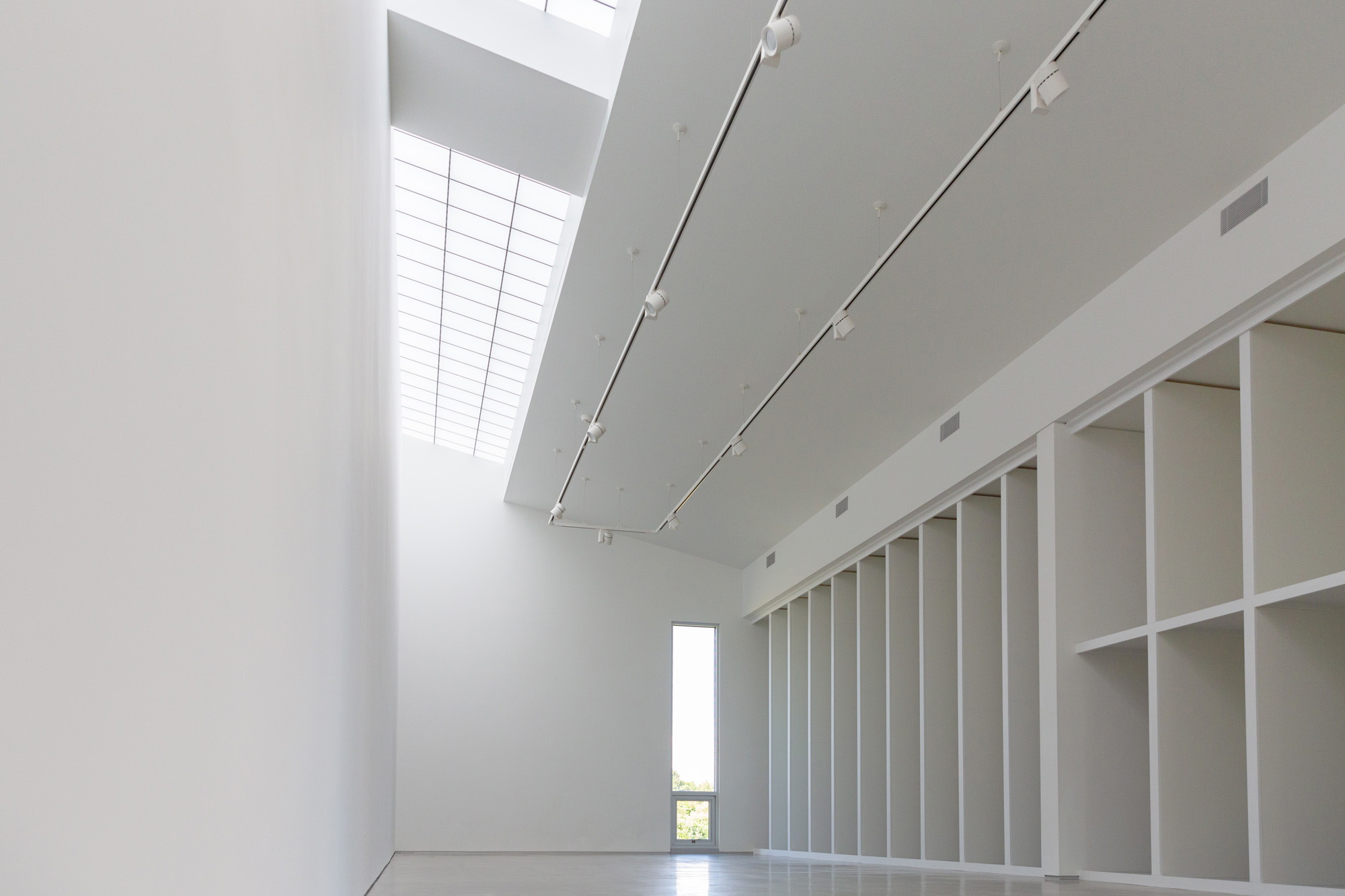
Lisa Vollmer
Grigori Fateyev has long been interested in a particular kind of problem: How to design a space for making art that doesn’t get in the way of the art. It sounds simple until you start listing the variables—light, scale, mess, solitude, collaboration, the weather, the view out the window—and realize that an artist’s studio is less a room than a set of competing demands. His new exhibition at Chesterwood, “Art Studios: How Artistic Processes Inform Architectural Design,” treats that problem not as something to solve once, but as something to circle from multiple angles.
On view at the Woodshed Gallery through July 20, the show brings together four of Fateyev’s studio projects in various states of becoming—sketches, freehand drawings, renderings, models, and photographs that track the evolution of each design. The emphasis is less on finished buildings than on the thinking that produces them. You see the hand at work, the revisions, the moments where a line holds and where it gives way.
Fateyev, who leads Art Forms Architecture, has spent the past 25 years designing across the Berkshires, the Hudson Valley, and New York City, with a portfolio that ranges from private residences to municipal and cultural projects. But his sensibility traces back further, to his early training in theater set design in St. Petersburg. That background still shows. His buildings often read as stages for activity—structures that anticipate movement, framing how a person might pass through space or pause within it.
The studio, in this sense, becomes a particularly charged assignment. It is both workplace and instrument, tuned to the specific needs of its user. A painter requires consistent, directional light; a sculptor may need volume and access; a ceramicist, ventilation and proximity to heat. The projects in the exhibition respond to these differences without losing sight of their setting, each one calibrated to its landscape as much as its occupant. Fateyev’s work tends toward a kind of contextual modernism—clean lines and contemporary materials that still register the climate, the terrain, the vernacular they sit within.
One of the more forward-looking pieces in the show is a proposal for the Woodthrush Art Center, imagined for the Chesterwood grounds. The plan calls for a cluster of studios—woodworking, painting, ceramics—alongside a multipurpose space and gallery, effectively turning the site into a small ecosystem for making and showing work. The design draws on the historic landscape shaped by Daniel Chester French, the sculptor who once lived and worked here, extending that legacy into a present tense.
In an era when images circulate frictionlessly and creative work is often untethered from place, Fateyev is making the case for specificity—for the idea that where and how something is made still matters. A studio is not interchangeable with another studio any more than a landscape is interchangeable with another landscape.
Walking through the exhibition, you get a sense of architecture as an iterative practice, one that borrows from the disciplines it serves. The sketches feel close to drawing; the models verge on sculpture. The boundary between art and architecture softens as the processes begin to rhyme.