
The Shacks that Built Woodstock: Woodstock Handmade Houses
By Brian K. Mahoney | Fall 2025 | Books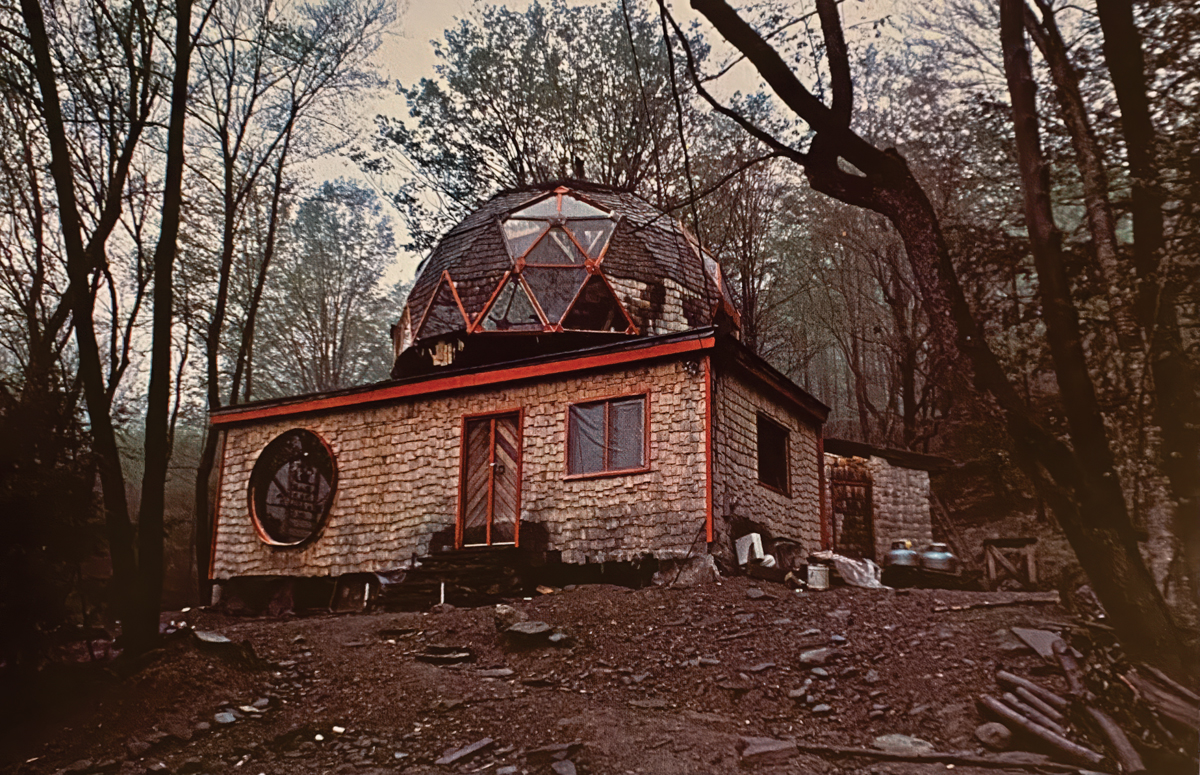
Before the Tesla chargers, before the linen-clad Manhattanites ordering oat milk cortados on Tinker Street, before the real estate boom priced out most artists—there was the shack. Or more precisely, there was the handmade house. A dome, a den, a geodesic dream cobbled together from scavenged timber, river stone, abandoned barns, and the occasional found bathtub. It was a home, sure, but also an aesthetic, a philosophy, a refusal. The era captured in Woodstock Handmade Houses—Robert Haney and David Ballantine’s deadpan prose paired with Jonathan Elliot’s reverent photos—is long gone. And not just in the “you can’t go home again” way. It’s been buried under decades of property speculation, municipal code enforcement, and the relentless creep of lifestyle branding.
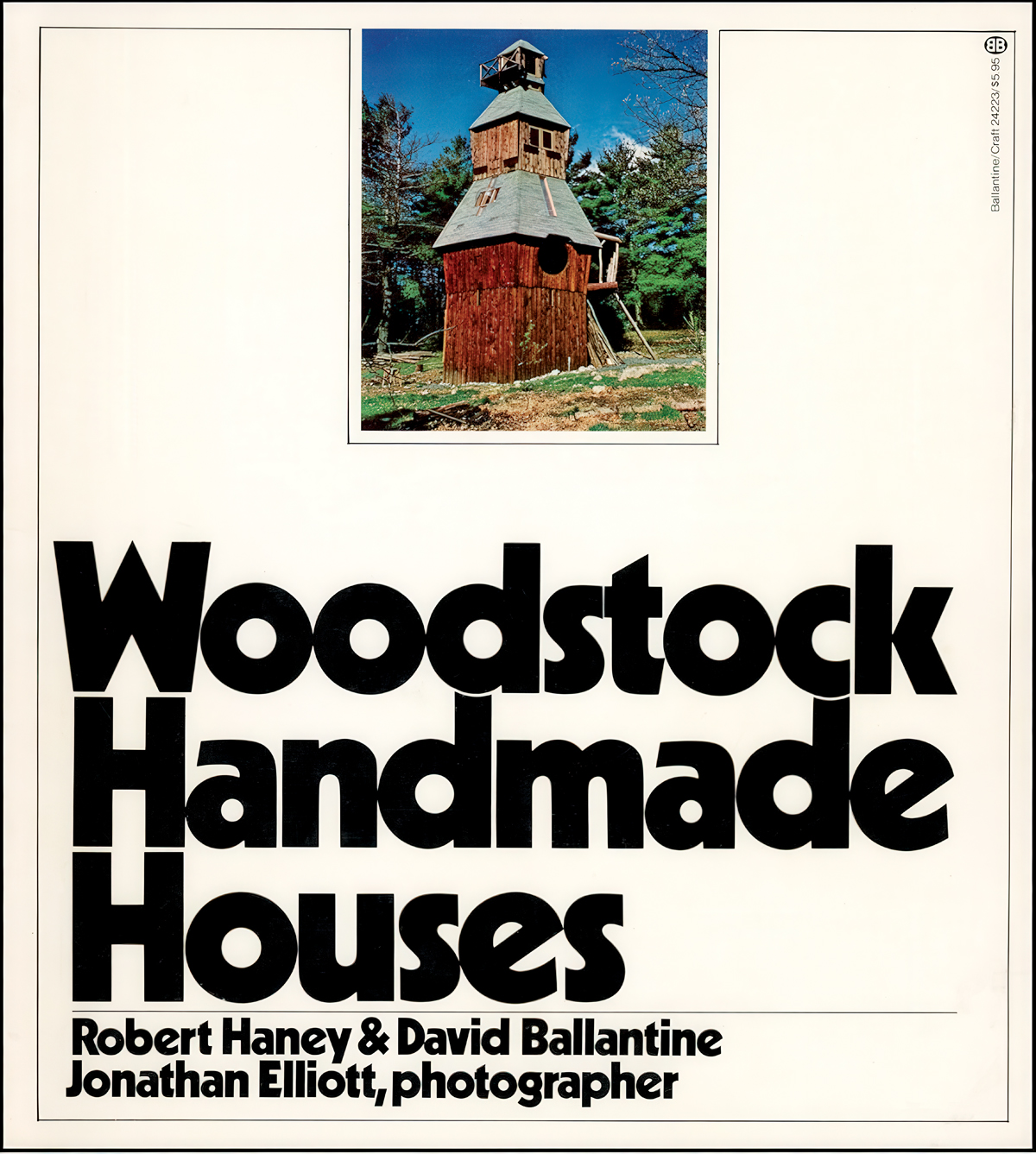
Published in 1974, Woodstock Handmade Houses is part catalog, part manifesto. The houses were crooked and sublime, often built by people with no formal training in architecture but an abundance of time, weed, and chutzpah. The residents weren’t trying to start Airbnb empires; they were trying to live in peace, off the grid, and off the radar. The book is full of structures that would give modern building inspectors a panic attack—leaky roofs, questionable wiring, outdoor plumbing at best. But what shines through is the audacity of it all. The joy. The dirt-under-the-fingernails freedom of making a home by hand, not flipping one on Zillow.
The preface reads like a dispatch from a vanished republic: “Don’t look to find yourself in other people’s trips, and with imagination you can make a new natural resource out of what other people throw away.” Try saying that to the bachelorette party wobbling out of the Colony in matching dresses. Or to the realtor showing you a three-bedroom with radiant heat and mountain views for $1.2 million.
It’s not just that Woodstock is expensive now—though it is, with median sale prices nearing $900,000—it’s that the vibe has shifted. The shacks have mostly disappeared, fallen to disrepair or been replaced with designer barns with matte black fixtures and “artisan” wood stoves.
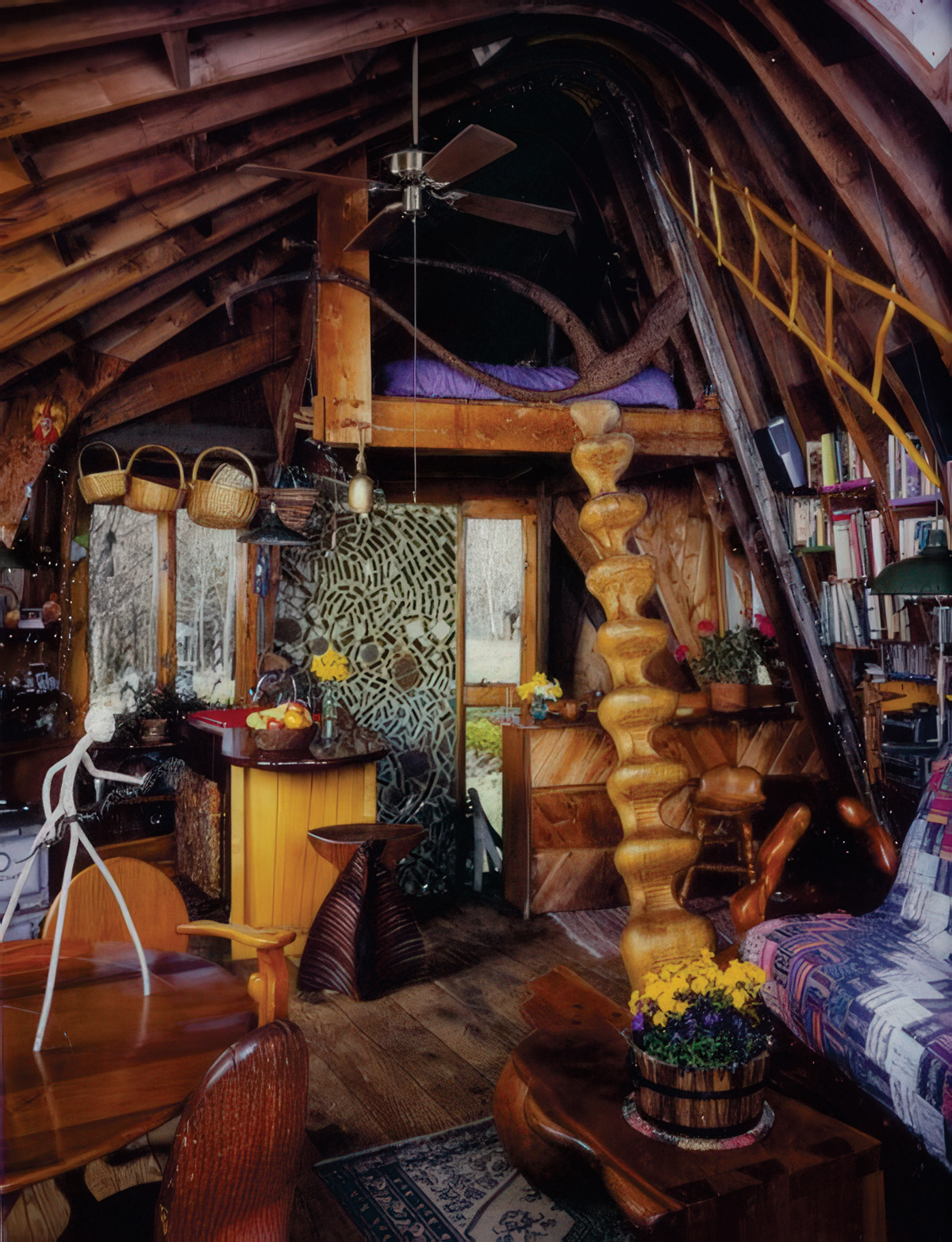
But here’s the thing: The soul of Woodstock Handmade Houses is not nostalgia. It’s not some cutesy “weren’t-we-wild” reverie. It’s a call to live differently, materially, with intention and imagination—even, dare we say, rebellion. It’s a reminder that beautiful things can be made from scrap, that home can be forged not bought, and that architecture can be a spiritual act. Whether there’s still room for that in 2025 Woodstock is a fair question. But the book is proof it once thrived here.
And who knows? Somewhere, up a winding road with no cell service, someone might still be hammering together a dome out of pallets and prayer. If so, may their roof hold, and may no one rat them out to the town building inspector.