
The Inn Crowd Captures the Art of Hudson Valley Hospitality
By Brian K. Mahoney | Fall 2025 | Home Goods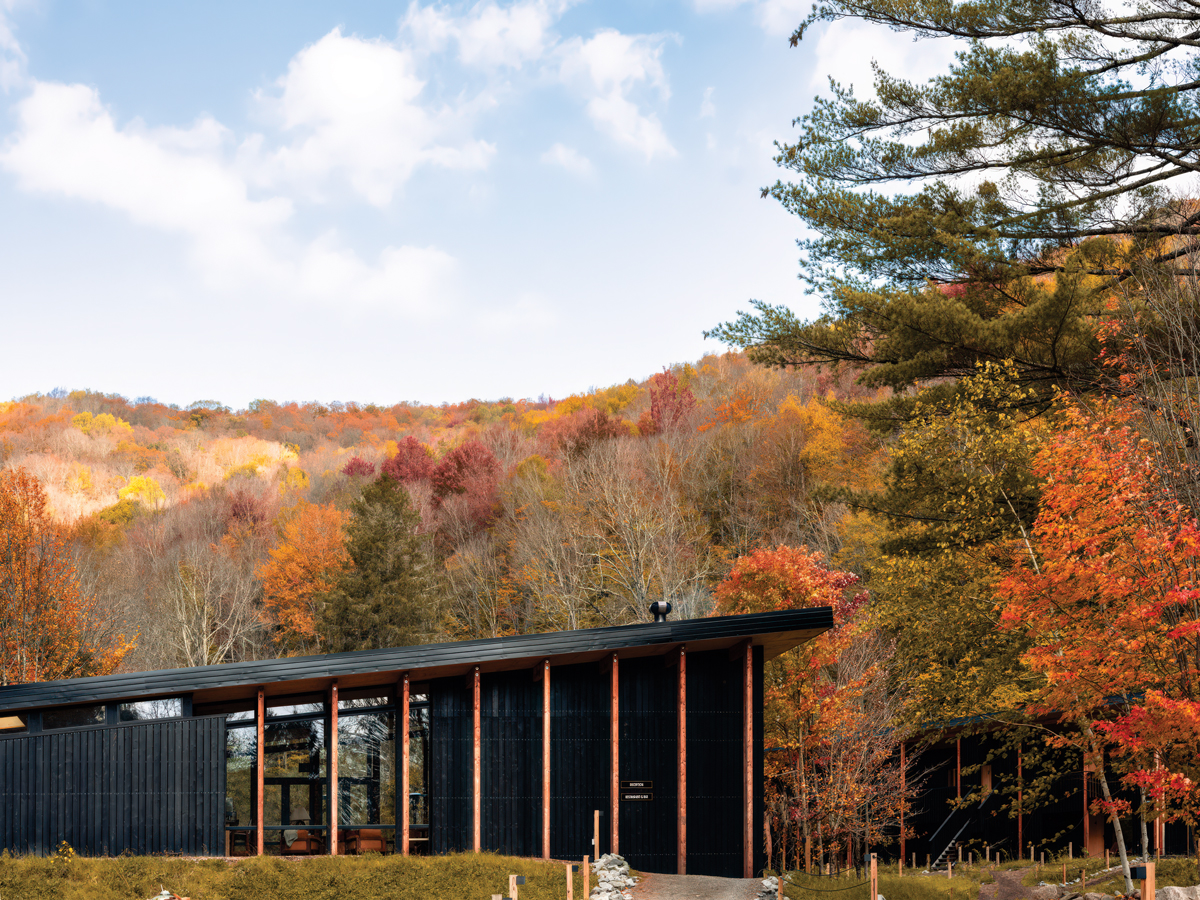
Travel journalist Jackie Caradonio sets out to capture a question that has long preoccupied weekenders, day trippers, and weary urban expats in her latest book, The Inn Crowd, to be published October 8 by Phaidon: What does it take to turn a house—or a former motor lodge, or a forgotten farm—into a haven? Across nearly 300 pages of lush photography and literary storytelling, the answer arrives in glimpses: a passion for detail, a measure of madness, and a willingness to let a place tell you what it wants to be.
Subtitled “Artistic Getaways and the Modern Innkeepers Who Crafted Them,” the book is as much a love letter to reinvention as it is to hospitality. Some of the innkeepers profiled began as chefs, designers, or software engineers. Others were serial entrepreneurs. Most had no previous hotel experience. But all were drawn by a desire to build something meaningful—a place where others could slow down, take stock, and feel, if only for a weekend, that they belonged.
While Caradonio’s gaze extends across the Northeast, from a coastal retreat in Maine to a jewel-box mansion in Montclair, some of the most compelling stories emerge from the Hudson Valley and Catskills, where small inns have helped transform the region into a destination for thoughtful, design-forward escapes. Among them: the Scandinavian-chic hideaways of Eastwind, the sensuous opulence of The Villa at Saugerties, the community-minded comfort of Foster Supply’s portfolio, and the cinematic serenity of The Henson. Each is a case study in what can happen when place and personality merge.
Eastwind: Minimalism in the Mountains
With locations in Windham and Big Indian, Eastwind Hotels walk the line between rustic retreat and Nordic design fantasy. Founded by a trio of creatives—Julija Stoliarova, Bjorn Boyer, and Daniel Cipriani—Eastwind started as an act of transformation: taking the bones of a 1920s bunkhouse in Windham and reimagining it as a sleek boutique hotel that marries old-world charm with new-school sensibility.
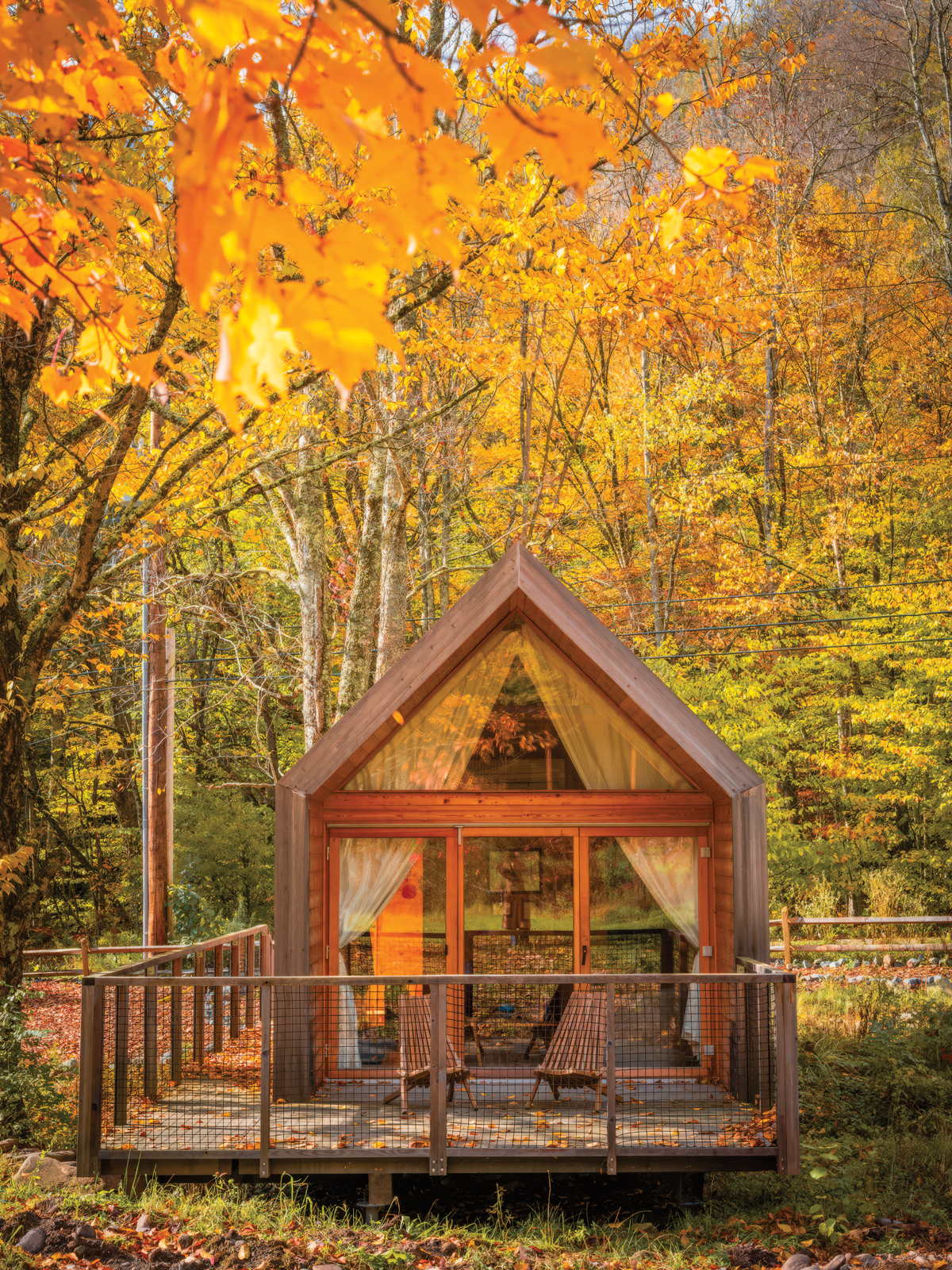
Scandi serenity meets Catskills wilderness at Eastwind, where minimalist cabins, vintage details, and wood-fired saunas invite guests to disconnect and dwell in the quiet.
At Eastwind Windham, minimalist interiors and vintage details set the tone. But it’s in Big Indian, deep in the Ulster County wilderness, where the brand’s vision finds its most compelling form. Designed from the ground up and opened in 2022, Eastwind Oliverea Valley channels the ethos of hygge—coziness with clarity. With its slatted wood saunas, A-frame cabins, and thoughtful culinary offerings, the retreat feels both elemental and elevated. Caradonio captures the mood well: “Everything about the place whispers, rather than shouts, luxury.”
What makes Eastwind work isn’t just aesthetic restraint—it’s intentionality. Rooms are stripped of the superfluous, yet rich in comfort. Trails lead from the property into the Big Indian Wilderness. A fire crackles at the outdoor lounge. The architecture encourages stillness, but never stagnation. This is not just a hotel—it’s a place to recalibrate.
The Villa at Saugerties: Desire and Design
If Eastwind is a poem of simplicity, The Villa at Saugerties is a love song to sensuality. Built by artists and life partners Amanda Zaslow and Joe Moseley, the four-suite villa blends Moroccan opulence with Mediterranean ease, all tucked away on a private estate just outside Saugerties. There are olive trees, flickering lanterns, a sparkling pool, and every morning, a three-course breakfast made by Moseley. The gardens, tended by Zaslow, are replete with wisteria, clematis, and giant purple allium.
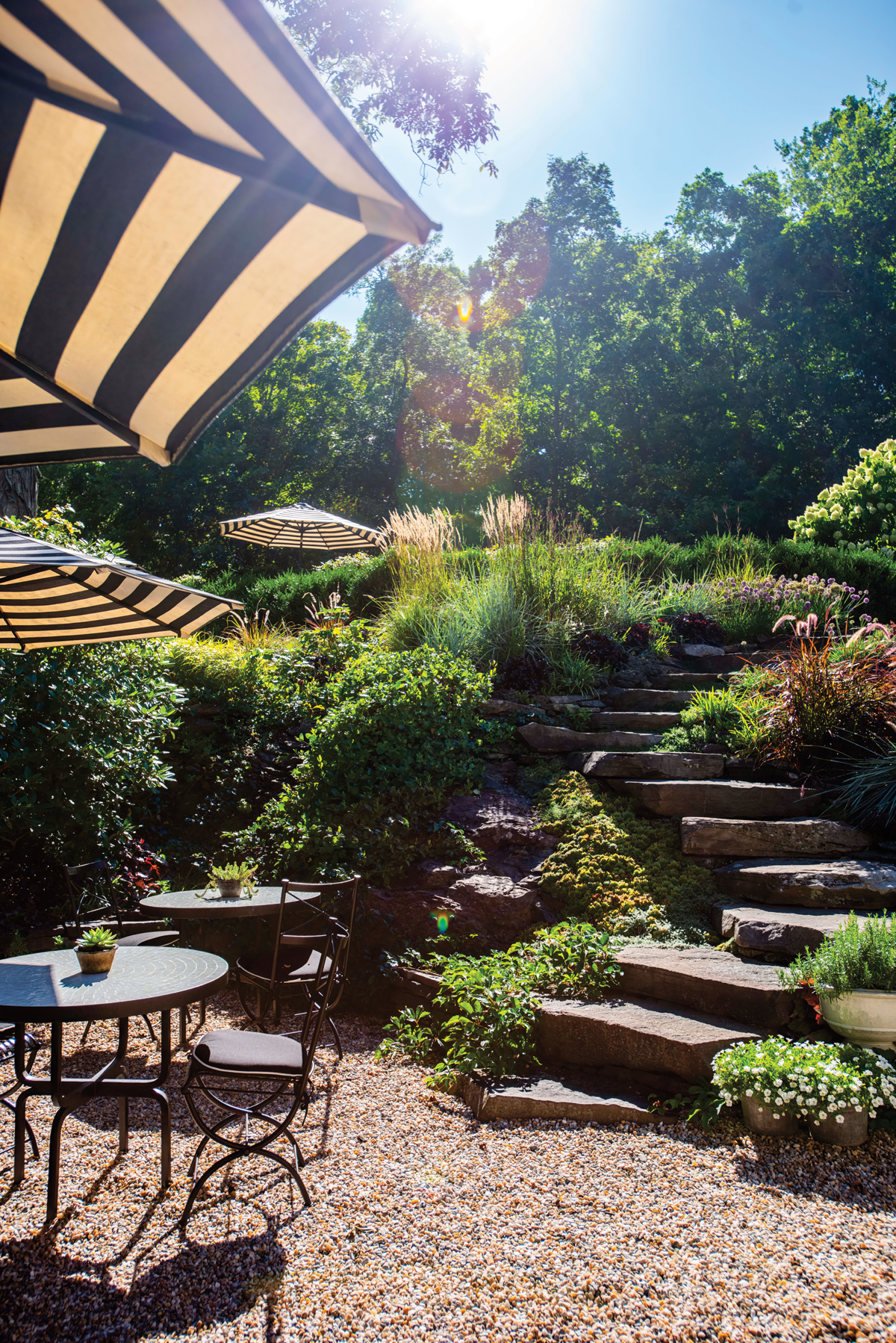
The Villa at Saugerties blends hand-troweled plaster, flickering lanterns, and vineyard views into a sensuous, slow-living escape, a Mediterranean daydream in the Hudson Valley.
The Villa began with a vision while the couple were on their honeymoon in Spain—what if a bed-and-breakfast didn’t feel like a bed-and-breakfast at all? What if it felt like a guesthouse in some stylish friend’s summer estate outside Barcelona? The couple ditched their corporate gigs in 2010 after discovering the 1920s Mediterranean-style house, which was in need of serious repair: A six-month facelift turned into a six-year demolition and construction epic. “It was like everything that could go wrong did go wrong,” Moseley tells Cardonio. “Every day was dramatic.”
The Villa as it stands now is also quite dramatic. Each room is a sensual immersion, with hand-plastered walls, clawfoot tubs, and curated art collections. But the magic lies beyond the decor—in the rhythm of the place, where guests linger over long breakfasts, nap by the pool, and lose track of time entirely. There’s no check-in desk, no background music loop. Just soft breezes and good company.
Foster Supply: Roots and Revival
The Villa at Saugerties blends hand-troweled plaster, flickering lanterns, and vineyard views into a sensuous, slow-living escape, a Mediterranean daydream in the Hudson Valley.
If some inns are acts of imagination, Foster Supply’s are works of revitalization. Founded by Sims and Kirsten Foster, this hospitality group has turned a half-dozen historic properties in Sullivan County into charming, accessible hotels that preserve the spirit of the Catskills without succumbing to kitsch.
Their first project, the Arnold House, opened in 2014 and set the tone: friendly, unfussy, and anchored in community. Today, their portfolio includes the North Branch Inn, the DeBruce, Kenoza Hall, and others—each distinct in identity but united by a shared ethic of place. At the DeBruce, guests can explore miles of private riverfront before sitting down to a tasting menu sourced from hyperlocal farms. At Kenoza Hall, a former boarding house turned lakeside getaway, there’s a blend of Gilded Age nostalgia and modern wellness, with clawfoot tubs, a full-service spa, and Adirondack chairs overlooking the water.
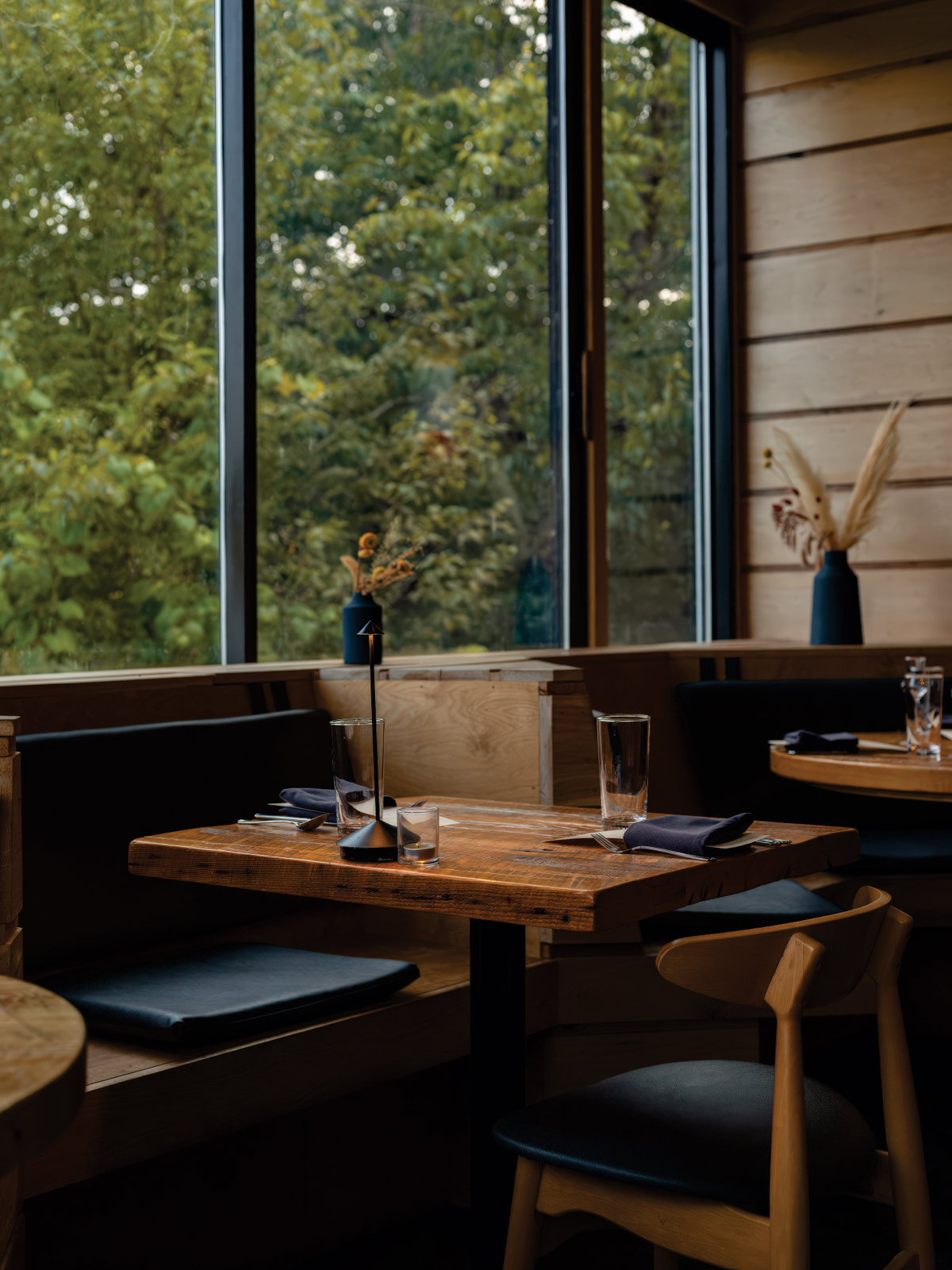
Caradonio focuses on the Fosters’ deliberate, regenerative approach—how their projects often begin with a crumbling building and a question: Who will this serve? They are innkeepers, yes, but also stewards of a regional revival. And in a region so often subject to cycles of boom and bust, their commitment to quiet, grounded growth feels especially vital.
The Henson: High Design, Low Key
Ely and Danielle Franko began their Catskills journey in 2016 by transforming a neglected weekend house into their first Airbnb. Emboldened by that renovation and their growing affinity for Greene County, they soon developed a trio of impeccably designed Hunter Houses, earning them local acclaim and a dedicated following.
While staying at Hammo’s Lodge (a decrepit brewpub turned hostel in Hensonville), they recognized an opportunity: The property needed reinvention. Though it wasn’t initially on their radar, the Frankos pursued hotel buildings for two years—and when Hammo’s became available in late 2021, they saw its potential and made an offer.
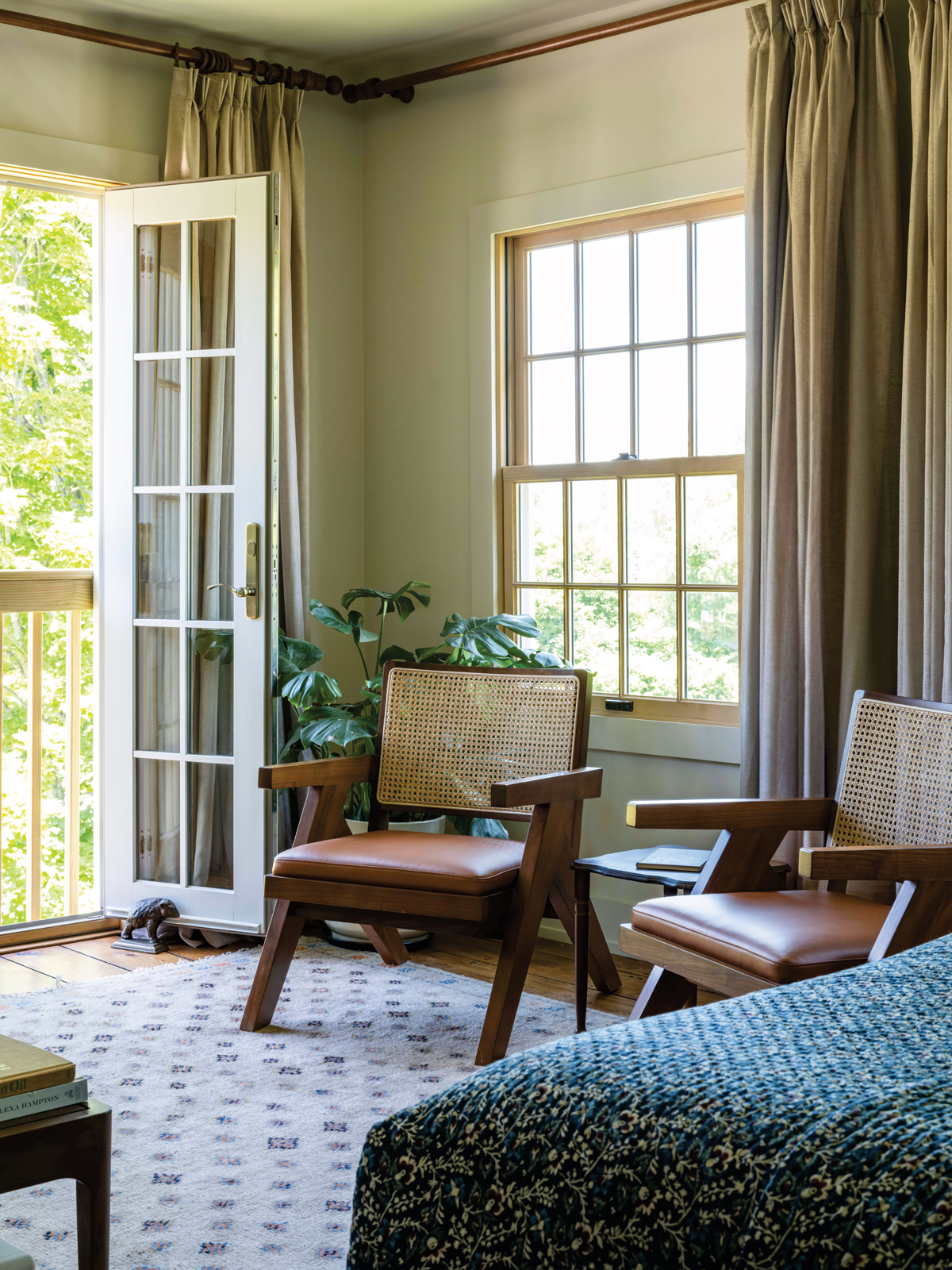
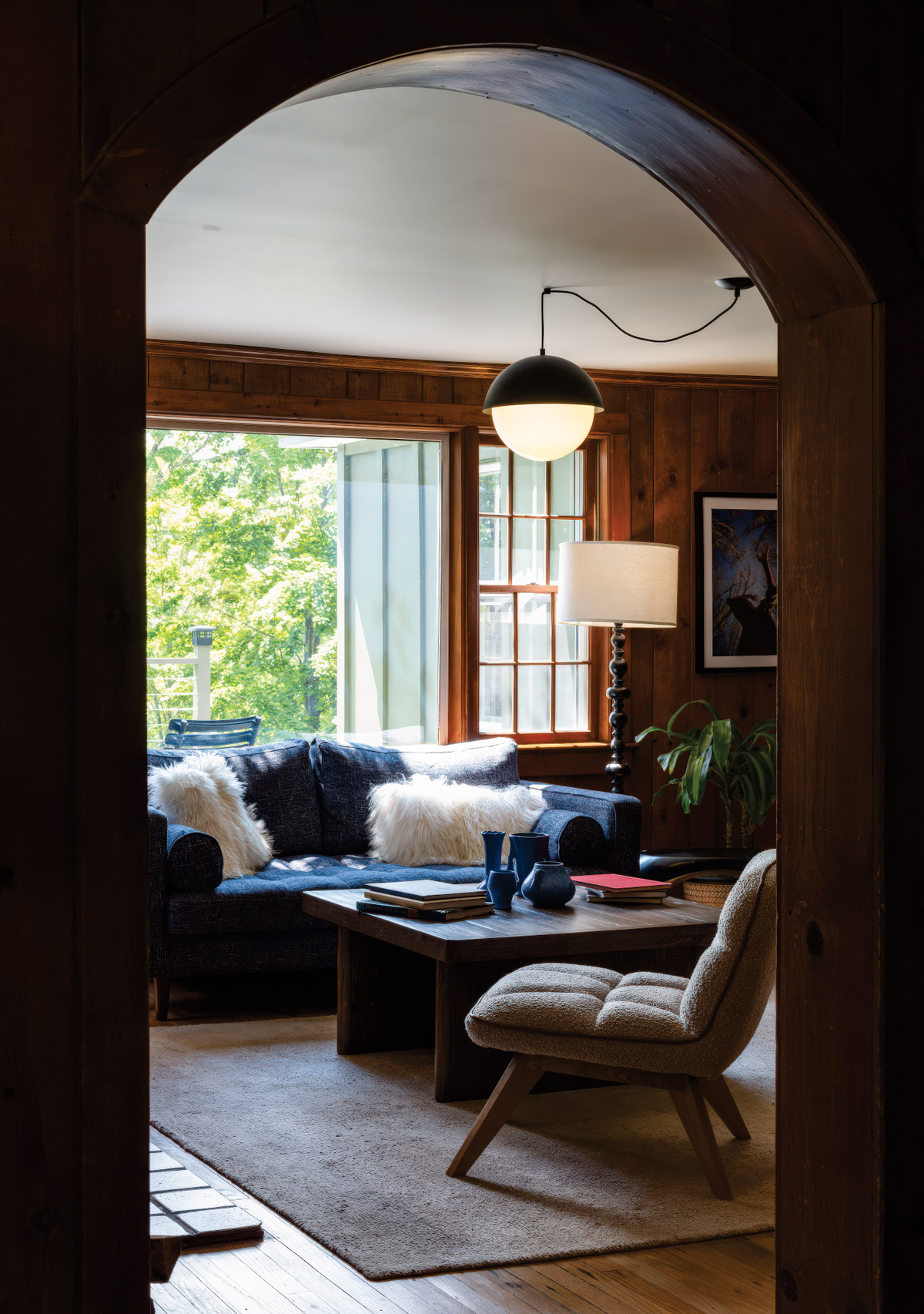
The Henson distills quiet luxury into three rooms of warm light, natural textures, and the kind of calm that feels earned.
Longtime patrons of Stone and von Hauske Valtierra’s New York City restaurants Contra and Wildair, the Frankos proposed a partnership: they would handle the design and restoration, the chefs would lead the culinary vision. The four formed an equal partnership in December 2021 and lived onsite—Ely mapping room layouts through daily observation, Danielle crafting interiors with limewash, curated furniture, and vintage found pieces—while the chefs developed Matilda, the hotel’s restaurant.
After nearly three years of handson renovation, The Henson opened in Summer 2024 as a 16-room boutique hotel. Its aesthetic—warm, organic, locally inspired—and its restaurant anchored by Stone and von Hauske Valtierra offer an immersive Catskills experience rooted in community and craftsmanship.
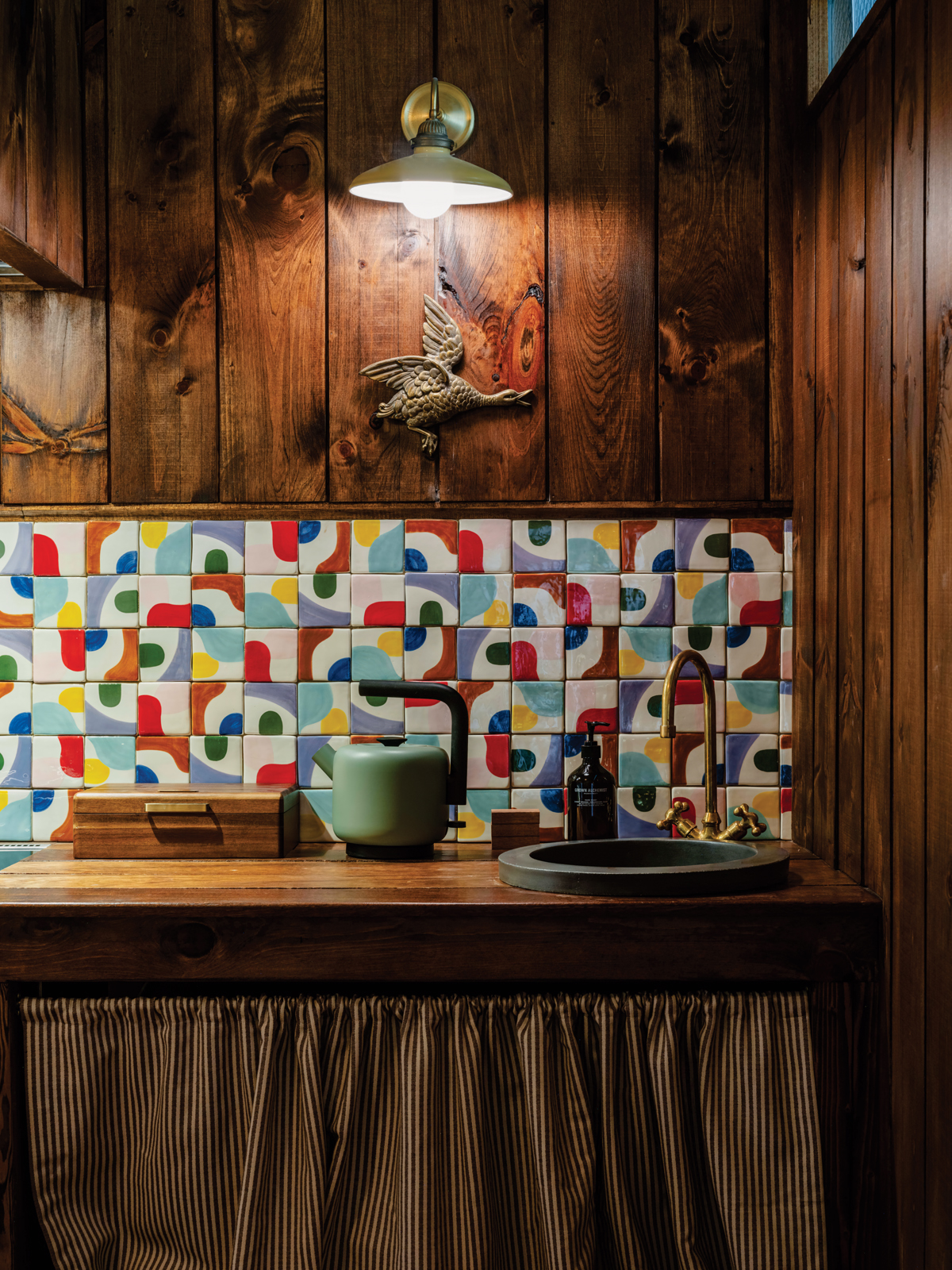
Taken together, these Hudson Valley inns reflect what The Inn Crowd does best: telling the stories of spaces that are more than stylish getaways. They are extensions of the people who built them. Places where you can feel the thought in the tile choice, the care in the cocktail list. Places that hum with intention.
As Caradonio writes in the book’s introduction, “The most valuable souvenir I brought home from each of these hotels was a deep sense of respect for their creators.” The Inn Crowd makes the case that when design meets devotion, hospitality becomes something more than service. It becomes art.