
A Conversation with Tom Konrad on Green Economy Trends
By Tom Konrad | Winter 2024/2025 | Clean Power Guide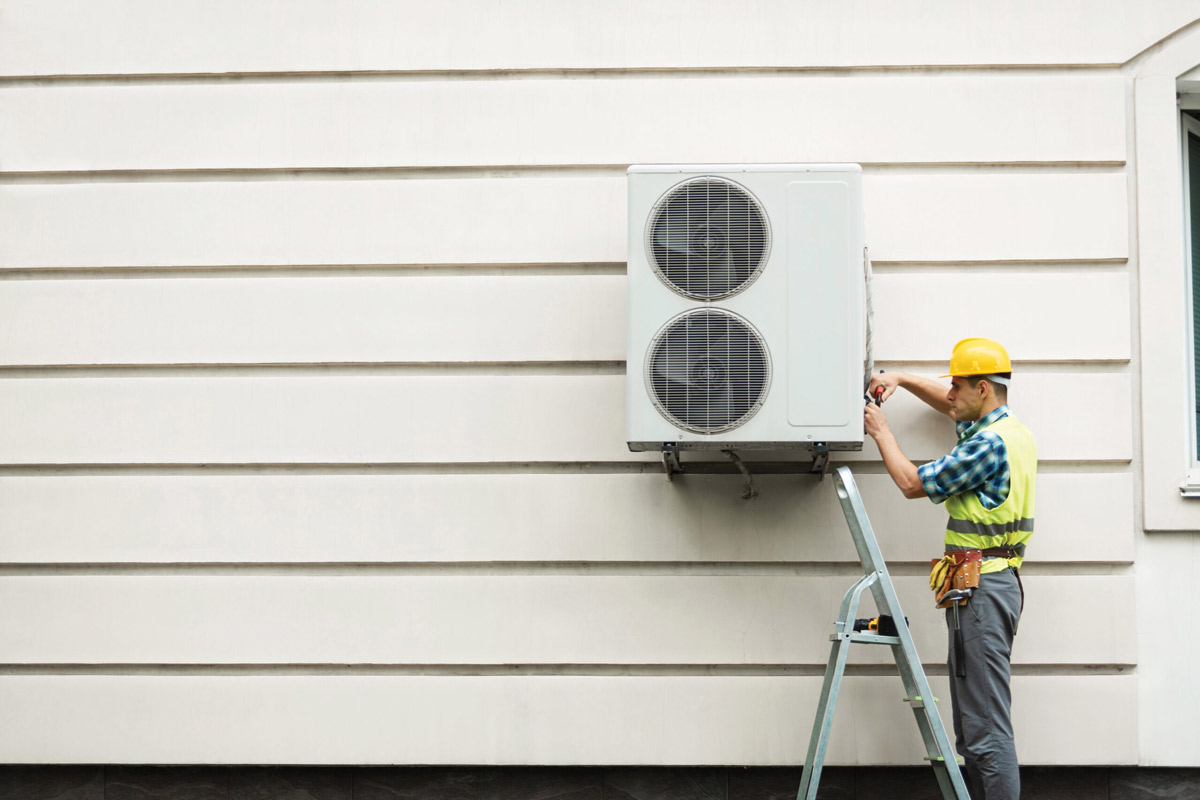
Tom Konrad manages a clean energy-focused hedge fund for Investment Research Partners in Lermont, Pennsylvania, as well as being an energy coach for New Yorkers for Clean Power and the Chair of the Environmental Conservation Commission for the Town of Marbletown. He sat down to discuss trends he’s seeing in the clean energy space.
What’s happening with EVs? Sales trends? Rebates?
Electric vehicle (EV) sales have been less than expected for most US-based EV manufacturers. Tesla has been slow to launch a new model, and other manufacturers were overly optimistic about the speed of the transition to electric. The rapid growth in EV sales has outpaced the build-out of chargers, especially in California, if less so in New York. National stories about difficulty charging while traveling have drained the batteries of the shift to electric vehicles, which is now accelerating more like a 1980s diesel Rabbit than a Porsche Taycan. With auto manufacturers needing to convince a newly skeptical public, now is a good time to buy an EV.
There is also a tax credit or upfront rebate for EV purchases—$7,500 for new EVs and $4,000 for used EVs. The used market is strong, but finding a used EV to buy can be tricky, since we were buying a lot fewer EVs three years ago. EV growth is still rapid, just less rapid than carmakers thought it would be.
What are we seeing in larger scale solar?
Commercial scale solar is slowing due to the difficulty of interconnection—a big challenge for building more large-scale solar installations is interconnection with the grid. The “low-hanging fruit” of good spots for solar developments to connect to the grid easily has been used up, making it harder and more expensive to connect new solar installations. This will be a significant barrier to achieving the New York Climate Leadership and Protection Act goal of 70 percent renewable electricity by 2030. The issue is more challenging the larger the installation is, particularly when the solar farm is measured in megawatts, not kilowatts.
What are you seeing in heat pump adoption and home energy improvements?
Heat pump installation continues to be strong. The pace of heat pump adoption is largely driven by the replacement of air conditioners and boilers. The good news is market share. The percentage of people making the mistake of reinstalling a furnace or boiler instead of replacing it with a heat pump is dropping. There are also fewer people installing new air conditioners that are not heat pumps.
One big boost for both heat pumps and the insulation industry is the expanded rebates available through NYSERDA’s Empower+ program. These funds came from the federal Inflation Reduction Act (IRA) passed by the Democrats in 2022 and signed by President Biden. New York was the first state to implement the low and moderate income rebates in the IRA, and that money went into expanding Empower+.
There may also be new technologies coming that make retrofitting older systems easier, like modern electric boilers that could replace the oil boiler in a home with baseboard heat. These are heat pump based, air-to-water heat pumps. These are already used in Europe and policy changes may open the market here.
What are municipalities doing?
There are increasing investments in clean energy by local municipal governments, particularly in EV chargers and medium scale solar installations. There is some progress in transitioning municipal and county vehicle fleets to electric. Electric buses are heavy vehicles requiring level 3 chargers, meaning that bus charging depots can be delayed by the same interconnection issues plaguing solar.
What new consumer tech are you excited about?
There are new induction stoves with built-in batteries from Channing Copper Co and Impulse Labs that could facilitate easier retrofits. These only need the standard 120 volt outlet that even gas stoves require to operate their controls and lighters. While they are not cheap, they can be a more affordable option compared to an electrical upgrade, which can cost thousands of dollars in difficult cases.
The falling cost of batteries and expanded tax credits are making home battery systems a more viable alternative to a generator. These systems, as well as the induction ranges with batteries mentioned above, qualify for a 30 percent federal tax credit due to the Inflation Reduction Act.
What are the job opportunities going to be for Clean Tech?
There will continue to be a large shortage in the electrician, plumbing and HVAC trades. These jobs pay extremely well without needing a college degree. Transitioning to solar, EVs, and heat pumps requires us to expand our skilled trade workforce, which was already in short supply.