
The Dos and Don’ts of Kitchen Renos
By Maggie Baribault | Winter 2024/2025 | Home Improvement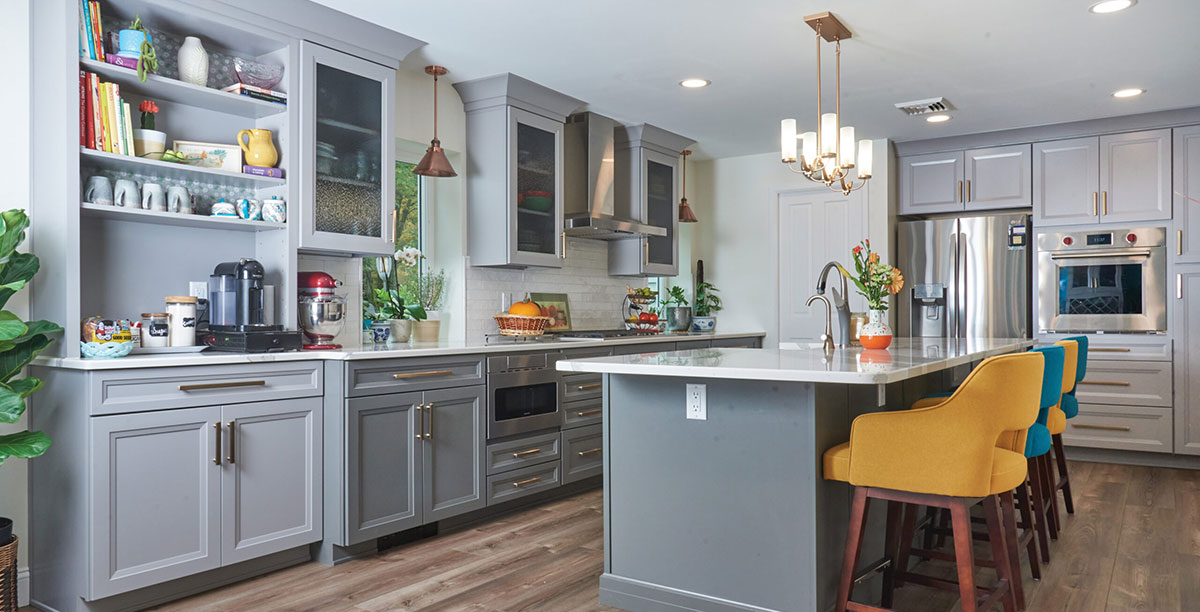
Claire Fields purchased her 1,200-foot bungalow-style cottage in Shandaken with her husband in 2018 and spent three years there before deciding to tackle a kitchen renovation. The kitchen dated to the original construction of the house in 1972, so it was a “chopped up, cramped layout that just wasn’t conducive to our lifestyle, especially once we had our son,” Fields says.
The original kitchen had beige linoleum floors that were peeling at the edges, an old cast-iron woodstove in the pass-through between the kitchen and living room that “interrupted the flow and was quite frankly a fire hazard, and the cabinets were built by hand but were weirdly not very usable,” Fields says.
As part of their kitchen renovation, the Fields family removed the wall between the living room and kitchen to transform the small space into an open-concept plan that allowed them to keep an eye on their toddler while cooking, and lofted their ceilings. It took nine weeks to demolish and rebuild the renovated space. Through the process, Fields picked up the dos and don’ts of kitchen renovation.
Budgeting Wisely
“Budgeting is one of the toughest parts of any construction project,” Fields says. “Contractors may provide initial estimates six to eight months before work begins that, because of our recent inflation trends, don’t hold any water by the time the project actually starts.” To manage this, the Fieldses included a buffer for potential cost overruns in their renovation budget, which helped align the project with their expectations and minimized surprises when final invoices arrived.
Dan Arket, owner of Tekra Builders, recommends allotting 10 to 15 percent as a contingency for unexpected costs. James Bruyn, the lead designer at Hudson Valley Kitchen Design Center (HVKDC), adds that a common mistake is under-budgeting and cutting corners with shortcuts and cheap materials. He has seen kitchens replaced even after just five years. “A well-planned design is invaluable,” he notes. On average, a kitchen remodel costs about 15 to 20 percent of a home’s value, and he suggests saving 1.5 to 2 percent of the home’s value annually for projects, along with considering home equity lines of credit or other financing options.
Arket emphasizes the importance of thorough planning upfront. “Make cohesive choices to see how they add up, rather than focusing only on big-ticket items,” he advises.
Local homeowner Jessica Davis, who purchased a 1938 home and began renovation four months after moving in, echoes this sentiment: “Creativity loves constraints. For most of us, budget is a natural constraint.” She says the options for every aspect of a kitchen redesign, from flooring to backsplash tile to countertops, wall finishing, and paint color can be overwhelming. “Let yourself fall in love,” she says, with a piece of furniture, sink, or tile pattern, and let that lead the way. Each decision narrows future options, helping to avoid the paralysis of too many possibilities. “Not every aspect of your kitchen needs to shine,” Davis says. “It’s okay to have some protagonists as long as the rest is in harmony.”
Managing the Renovation Timeline
One of the biggest challenges for Fields was managing her family’s accommodations amidst shifting schedules. “It’s vital to take construction timelines with a grain of salt,” she cautions. They are just estimates. It’s important to be flexible and have backup plans for how to cook and eat, and what living will be like during construction. Bruyn also stresses that remodeling impacts personal space and should be approached with care to minimize disruption.
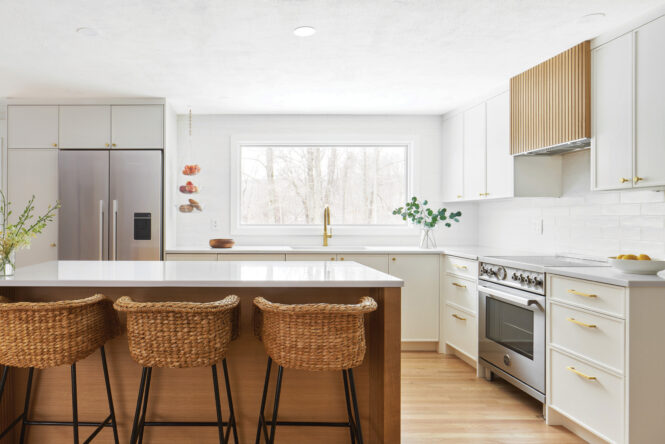
A kitchen redesigned and fabricated by Beacon-based, family-owned custom cabinetry company Rexhill Studio. Owner Dan Arket recommends allotting 10 to 15 percent as a contingency for unexpected costs. Photo by Steven Paneccasio
While kitchen remodels typically take about six weeks, unforeseen delays can extend this timeframe. Bruyn notes that demolition is crucial to the timeline. “A project can be a year in the making between design and ordering materials, but once the demo starts, it can’t be done quickly enough,” he says. However, certain steps like drying times for paint and grout cannot be rushed. “Collaborating with a project manager, such as a contractor or design firm, helps coordinate all aspects of the work and trades to minimize downtime,” Bruyn adds.
Choosing Sustainable and Energy-Efficient Options
Kitchen remodels typically occur every 20 to 30 years, so even a small improvement in efficiency can yield long-term benefits. Bruyn notes that HVKDC regularly upgrades insulation, switches all lighting to LED, and donates existing kitchens for reuse, to lower the environmental impacts of kitchen renovations.
For appliances, Bruyn recommends energy-efficient brands like Liebherr and the Sub-Zero, Wolf, and Cove family, which are designed to last at least 20 years. He suggests using textured laminate for cabinetry, which mimics wood while conserving resources and enhancing durability. A simple design with minimal ornamentation can further reduce environmental impact.
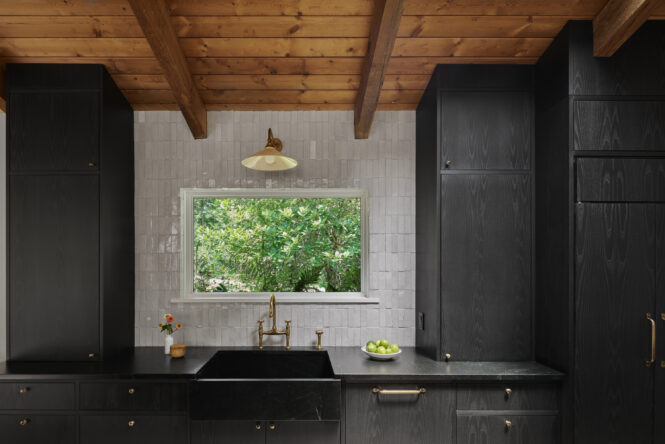
Blackened ash kitchen cabinetry by Rexhill Studio. Photo by Steven Paneccasio
Davis emphasizes that thrifting and vintage shopping are essential for sustainable kitchen renovations. By keeping her original farmhouse sink, she not only preserved history but also reduced waste—every reused item lessens the demand for new production. Second-hand pieces can also be found in thrift stores, vintage shops, or online marketplaces. Pairing these with modern appliances can cut energy use by up to 50 percent compared to standard models, significantly lowering energy bills and greenhouse gas emissions. This blend of vintage charm and eco-conscious technology minimizes waste and creates an inviting environment that reflects personal stories. Davis’s approach proves style and sustainability can beautifully coexist.
Prioritizing Functionality Over Aesthetics
Given the high cost of kitchen renovations, the Fields prioritized long-term functionality over fleeting design trends. “Our space is still very modern, but ultimately, the largest changes we made [adding a peninsula to separate the kitchen from the living room and creating a custom built-in bench for dining seating] were based on how we use the space every day,” Fields says.
Bruyn emphasizes that a practical kitchen should be timeless and serve multiple generations. Adequate storage, ease of movement, and durable materials are essential.
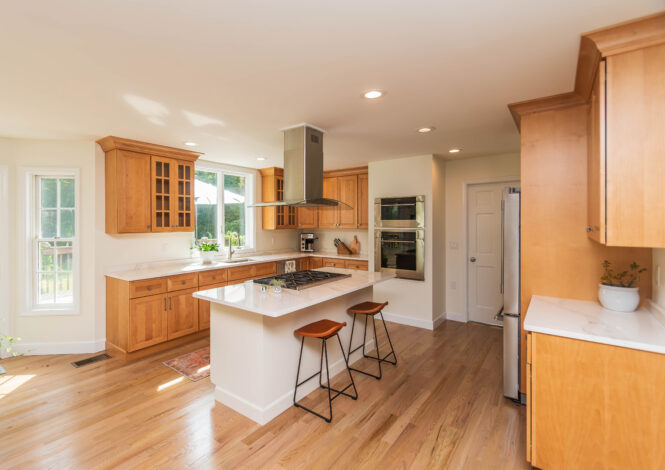
“Almost two years later, I am still in love with our kitchen because we thoughtfully considered how the space was going to be used daily,” Fields says. As an avid home cook, she adds, “I have waited all my adult life for a nice refrigerator, range, and workspace. It is such a joy to have invested in quality items that make our home life easier. As our son grows, it’s obvious we made the right choices for our family’s needs, and that is the most rewarding thing of all.”
Davis echoes this sentiment, noting that the most fulfilling aspect of her renovation has been bringing her vision to life, transforming the kitchen into the heart of her home. After hosting a dinner party showcasing her new space, where friends came together to enjoy delicious food and wonderful company, she felt reassured of her design choices. Davis felt the joy of creating a home that reflects her style and brings loved ones together.