
Simple Steps to Electrifying Your Home
By Marcy Cleveland | Winter 2024/2025 | Clean Power Guide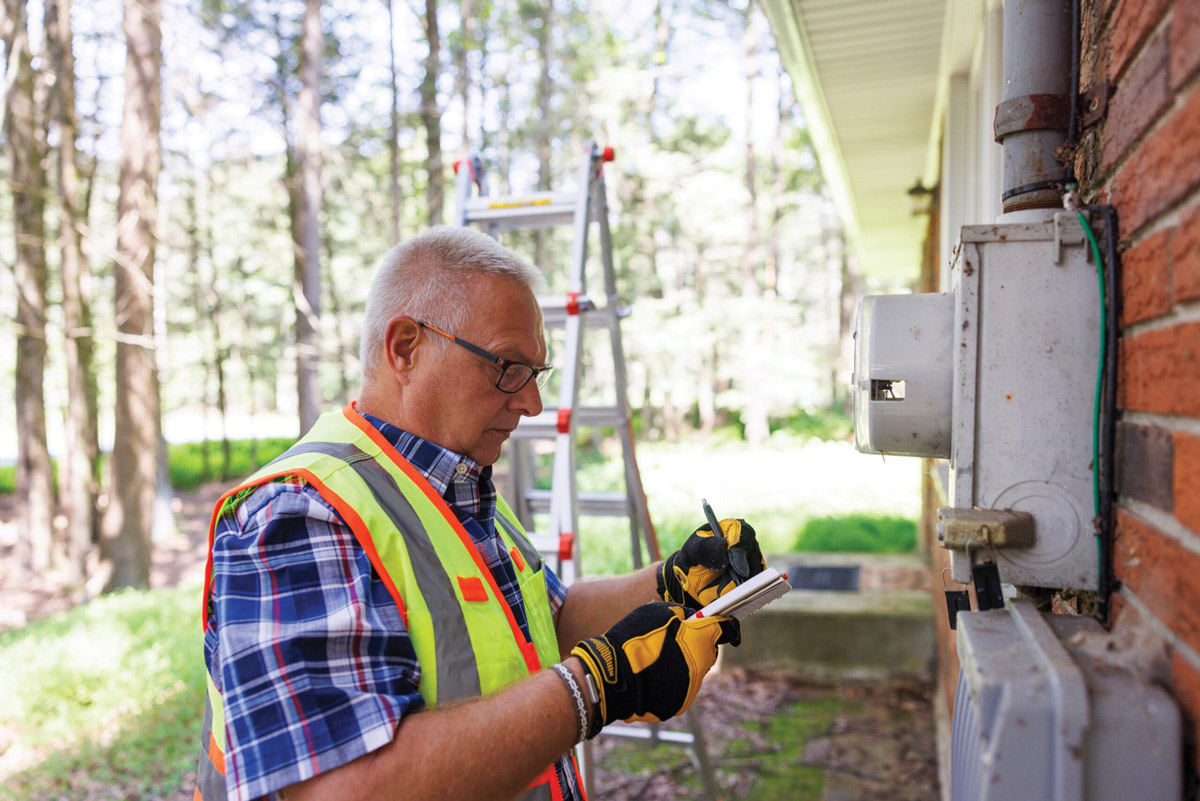
If you’re a homeowner excited about making your home more energy-efficient, the journey can seem overwhelming. There’s a lot to consider: from researching the best technologies to choosing trustworthy contractors, and navigating the array of financing options available through state and federal programs. Luckily, with a thoughtful approach, it can be manageable and even empowering.
I suggest an AWEsome three-step process: Assess, Weatherize, and Electrify. This structured method helps break down the complexities of home upgrades into manageable actions. Let’s walk through the steps.
Assess Your Home’s Energy Efficiency
The first step in your decarbonization journey is to Assess your home’s energy performance. Owners of one-to-four family homes in New York State can receive a no-cost energy assessment through a NYSERDA program. This professional assessment provides a snapshot of how your home is currently performing and identifies easy fixes that could immediately reduce your energy consumption. It also provides a starting point for future improvements.
For example, switching to LED lighting, cleaning your dryer vents, or replacing worn-out AC filters can make an immediate impact. These small steps help optimize your home’s existing systems while you prepare for more significant upgrades.
Beyond the assessment, consider talking to an energy coach—many programs, such as New Yorkers for Clean Power, offer free online energy coaching sessions. An energy coach isn’t tied to selling specific products, so they can give unbiased advice on prioritizing improvements over time. This can help you design a long-term plan for your home’s energy transformation that works with your budget and goals.
Weatherize for Maximum Efficiency
The second step is to Weatherize your home by improving its insulation and sealing up any gaps or cracks that let in drafts. Weatherization is the foundation of an energy-efficient home, whether you’re still using fossil fuels or have already begun to electrify.
The most significant energy savings in colder climates come from improving how your home retains heat during the winter. Gaps and cracks around windows, doors, and other parts of your home’s envelope allow warm air to escape and cold air to creep in, forcing your heating system to work much harder. Sealing these areas is a relatively inexpensive way to dramatically improve your home’s efficiency.
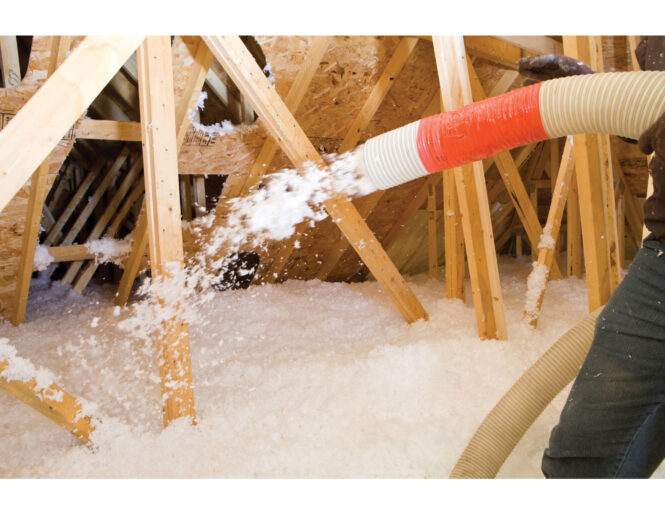
The second step in the AWEsome process is to Weatherize your home by improving its insulation and sealing up any gaps or cracks that let in drafts.
When hiring a contractor for weatherization, ask if they’ll conduct a blower door test. This test pressurizes your home, allowing the contractor to find even the smallest air leaks. These various air leaks can then be tightened and eliminated in many ways: a tighter door frame, caulk-like sealing of tiny cracks or openings, spray foam to fill larger gaps through to the interior of a wall. This is an amazingly cheap way to make your home far more efficient. It’s essential to perform this test before and after weatherization work to measure improvements. Addressing these hidden issues was a game-changer for my home’s comfort and efficiency.
Once your home is sealed, the next focus is insulation. Insulation slows heat transfer through your walls, floors, and roof, helping your home maintain a stable indoor temperature. A professional energy assessment using infrared technology can identify the areas where your home is losing the most heat so you know where insulation is most needed. There are many options for modern insulation, and it’s a good idea to speak with an unbiased energy coach to explore them rather than a single contractor. These options include spray foam insulation, rigid foam board insulation inside walls, and blown in, professional grade cellulose fiber. The best solution will depend on your home and your specific goals.
Electrify for a Clean Energy Future
The final step is to Electrify your home. Once you’ve sealed and insulated your home, it’s time to transition from fossil fuel-based systems (like oil boilers or propane heating) to electric alternatives. At this point, your home is more efficient, requiring less energy to maintain comfort—making the switch to clean electric technologies more effective and affordable.
During your early planning phases, make sure your electric system is in shape for higher loads. Your breaker box should be able to carry 200 amps (compared to the 60 to 100A capacity in some older houses). Your wiring should accommodate 240 volts if an induction stove, EV charger, heat pump, or heat pump water heater is in your future. Next time you are upgrading lighting or getting anything electrical fixed, talk with your electrician to makre sure your system can accommodate your plans.
Choosing the right heating and cooling system is essential. Cold climate air-source heat pumps are a popular choice due to their high efficiency, even in harsh winter regions. For new construction or larger homes, a ground-source or geothermal system can be a worthwhile investment, offering high efficiency and often superior long-term savings, despite higher up-front installation costs. Federal tax incentives and financing options help make these systems more affordable by spreading costs over time and aligning them with long-term energy savings.
Another option is installing a heat pump water heater, which uses three times less energy compared to traditional water heaters. These are all great choices, but your decisions will depend on your home. It is important to do your research with an energy coach or by getting estimates from a few different contractors and comparing them. For example, heat pump water heaters are highly efficient, but create some cold air as a byproduct. In some smaller or tighter situations, a normal (high efficiency) electric resistance water heater is a better solution, and this older tech has also improved dramatically in the last 20 years.
When it comes to sourcing clean electricity, you don’t necessarily need to install solar panels on your roof or on your property. Many homeowners opt for community solar programs or choose an energy supplier or ESCO (energy service company) that gets its power from renewable sources like solar and wind. These options allow you to go green without the upfront cost of installing solar.
Planning for the Future
It’s important to think about all your potential upgrades in advance so you can coordinate them effectively. Tackling low-cost, high-impact projects—like weatherization—first can save you money in the short term and give you more financial flexibility for larger investments down the line.
Decarbonizing your home may seem like a daunting task, but by following the AWE framework—Assess, Weatherize, Electrify—you can take it one step at a time. With the right resources, planning, and support, you’ll be well on your way to creating a more energy-efficient, sustainable home.