
Planting for Pollinators: A New Hudson Valley Seed Collaboration Takes Root
PollinateHV and Hudson Valley Seed Company team up to offer local ecotype native seeds that help restore pollinator habitat—one backyard garden at a time.
By Anne Pyburn Craig | Spring 2026 | Features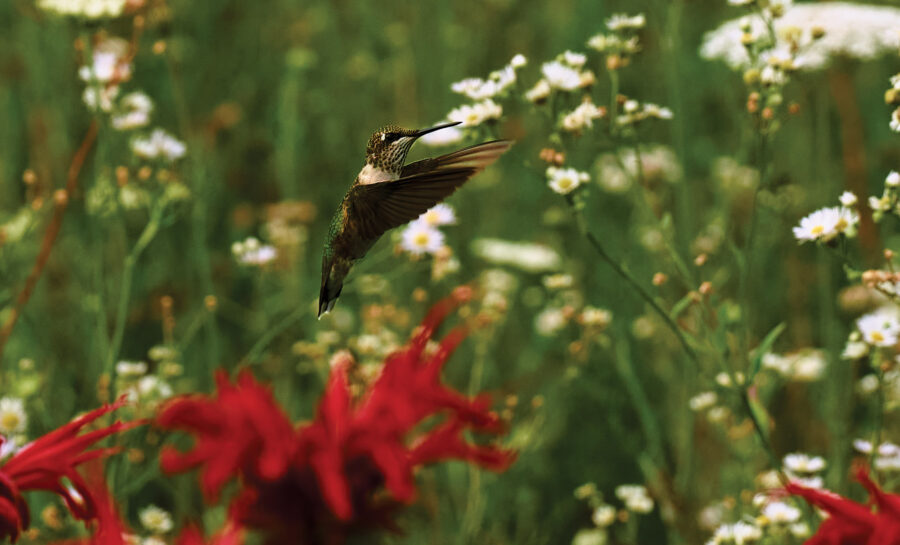
T
here’s nothing quite as encouraging as discovering pleasurable ways to support the planet. Especially when those small, attainable actions also make everyday life better—and help other living creatures thrive. A fresh and fragrant possibility of that nature debuts this spring with the announcement of a collaboration between local heroes PollinateHV, a project of Partners for Climate Action, and Hudson Valley Seed Company (HVSC)—and all you need to do to be helpful is plant something pretty in the backyard.
With their gift-worthy Art Packs, epic origin story (co-founder K Greene started the whole thing as a side project while working as the Gardiner town librarian, from whence it grew in the most organic way imaginable), and epic selection of garden must-haves, Hudson Valley Seed Company is one of those exceptional operations we’re incredibly lucky to have. Native plants, after all, are the backbone of a healthy ecosystem. They keep the soil healthy and maintain the all-important food web.
With the Pollinate HV Collection, HVSC is taking things to the next level by producing not just native but local ecotype seeds for home gardeners, allowing gardeners to create the healthiest possible habitat for the gravely endangered tiny brethren in our own backyards.
Beauty with Ecological Benefits
The choices you can add would be an asset to any garden in the first place, even were they not such a powerful eco-boost. Great Blue Lobelia, for example, is a gorgeous bellflower that shows off its beautiful blue-violet blooms from summer into fall, thriving in damp, shady spots. From a native bee’s point of view, Great Blue Lobelia comes with a built-in landing pad and is perfectly designed to load its back with pollen; from a gardener’s point of view, you’ve filled a shady, marshy spot with a lush, colorful perennial herb.
“These are native seeds, originally sourced and then grown here in the Hudson Valley, which has a lot of ecological benefit, and they’re also very landscape-forward plants,” says Crimson Krier-Gladding, director of sales and customer experience at HVSC. “They’re a great choice if you don’t want to go full-on meadow, but you want to include native plants into a more traditionally landscaped property.”
Over the next year, as plantings at HVSC’s Four Fold Farm mature, more pollinator-friendly choices will be rolled out for a total of 20 in all. “We’ve been growing the seeds for this project for about four years now,” says Krier-Gladding, “So we have a lot of good resources, tips and blog posts about them on our website—these are not hard to grow, they’re beautiful, and you’re supporting a vital link in the local ecosystem.”
What Pollinators Actually Need
Avalon Bunge of Partners for Climate Action wishes more people understood how crucially important it is to foster bug-friendly gardens, and that a thriving population of native pollinators doesn’t make your garden an unfriendly spot for humans. “Most delicious crops, all of our fruits and tomatoes and melons and other yummy things, rely on insects, and so do 75 to 95 percent of all flowering plants,” she says. “So if we didn’t have pollinators doing the fertilization, we’d be up a creek.”
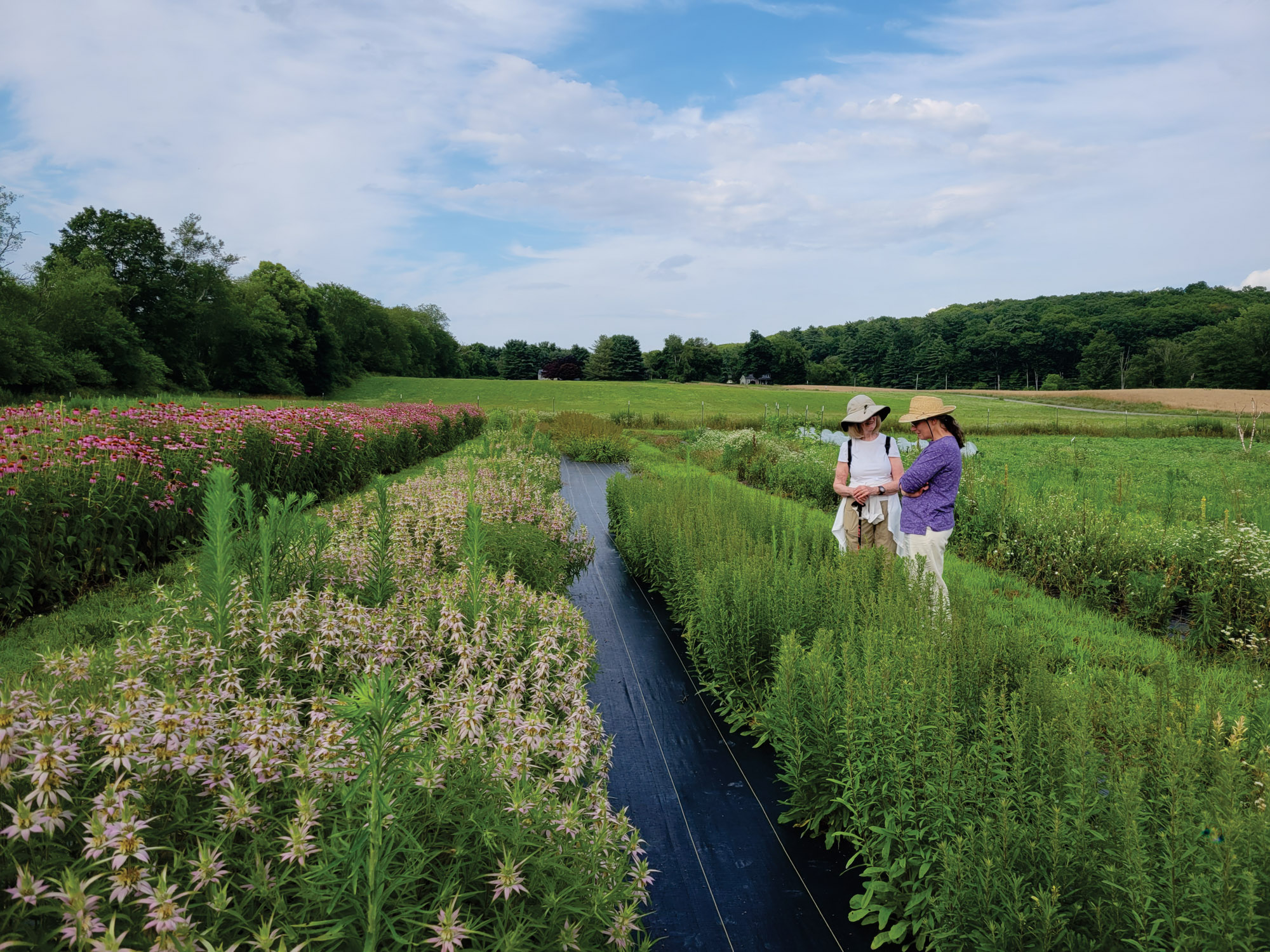
Native plants grow in carefully tended rows as Partners for Climate Action and Hudson Valley Seed Company collaborate to cultivate local ecotype seeds—strengthening pollinator habitat and biodiversity across the Hudson Valley.
She gets it that we all love some fresh local honey, but says that the focus on honeybees actually hasn’t solved the pollinator issue. “Honeybees are a type of pollinator, but not a native one—they’re actually Eurasian—and having diverse native pollinators is actually more effective,” she says. “Honeybees are actually pretty bad news for our native pollinators. They compete, and they essentially steal resources that our native pollinators need. So they’re part of the reason why our native pollinators are declining.”
By planting some of the local ecotype seeds HVSC is rolling out, you can help counteract that, making your yard a welcoming place for native bumblebees, moths, flies, hummingbirds and other critters that do the heavy lifting—and not a moment too soon. “Up to 60 percent of our native pollinators are declining and are at risk of extinction if we don’t do something,” says Burge. “But even small scale efforts like container gardening can make a measurable difference.”
Avoiding pesticides is also crucial—Bunge says 90 percent of the plants sold at big box garden centers are pre-treated with pesticides, which makes it even more important to source plants small and local and start your own plants when you can. “It’s not as hard as it sounds,” she says. “Native plants love to grow here, and they’re really gorgeous.”