
Interior Designer Olga Naiman’s Spatial Alchemy: DIY as Personal Improvement
How interior design can transform not only your home but also your mind
By Brian K. Mahoney | Summer 2026 | Books | Features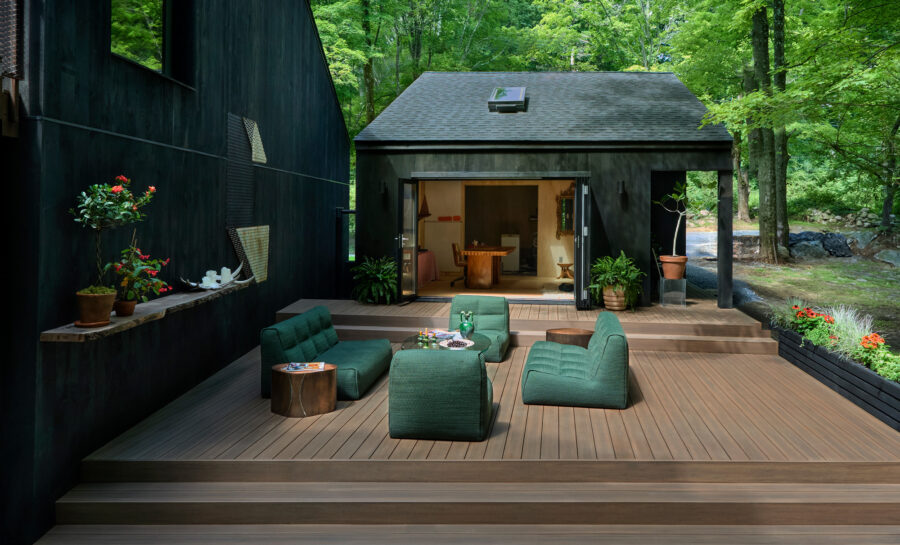
At some point in 2020, with the world locked down and her career stalled, interior stylist Olga Naiman did something small and irrational: She reupholstered five pieces of furniture in her living room.
It wasn’t a strategic pivot or a brand repositioning. It was, by her own account, an act of defiance—against scarcity, against inherited anxieties, against the voice in her head telling her to hold tight and make do. She and her partner were living off savings, their work evaporated in the pandemic. The sofas were worn out, yes, but replacing them felt indulgent. Still, she did it. And then something shifted.
Within months, a feature in the Washington Post led to a book deal. Opportunities began to materialize with a velocity that felt, even to her, suspiciously like magic. Looking back, she began to suspect a connection—not between hustle and outcome, but between environment and psyche. “On a wider, creational level,” she writes, the decision was an unconscious declaration: I am ready.
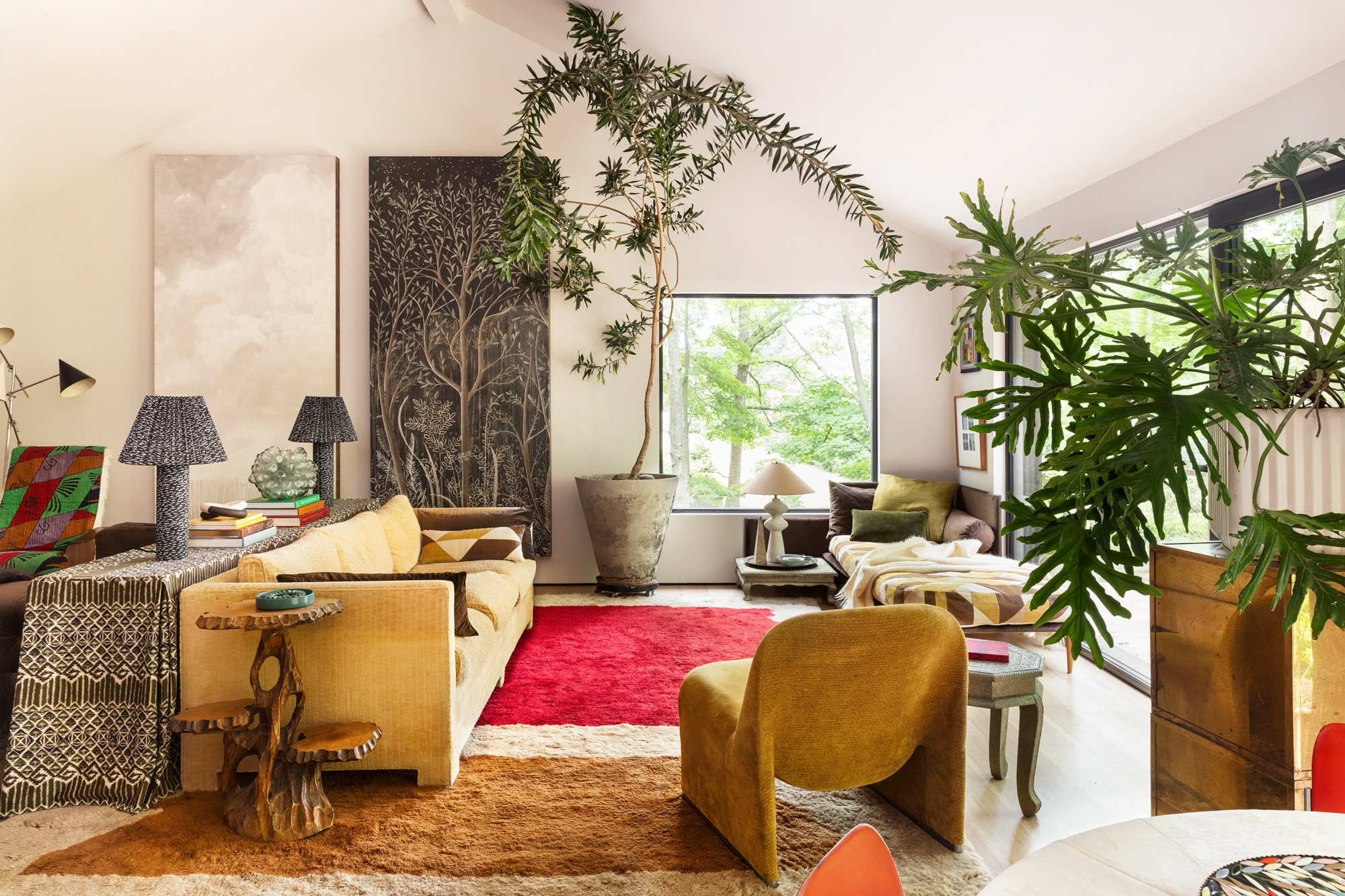
Naiman argues that interiors should support not only aesthetics and function, but the emotional life.
That moment is the origin story of Spatial Alchemy: Design Your Home to Transform Your Life (Artisan), Naiman’s new book and design philosophy, which argues—earnestly, insistently—that your home is not just a reflection of your life but an active agent in shaping it. The premise is simple enough to sound almost obvious: Change your space, and you change yourself. But Naiman, a Garrison resident, pushes the idea further, into terrain that blends interior design with therapy, energetics, and a touch of mysticism.
If traditional design begins with the question What does this space need?, Spatial Alchemy begins somewhere else entirely: Who are you becoming?
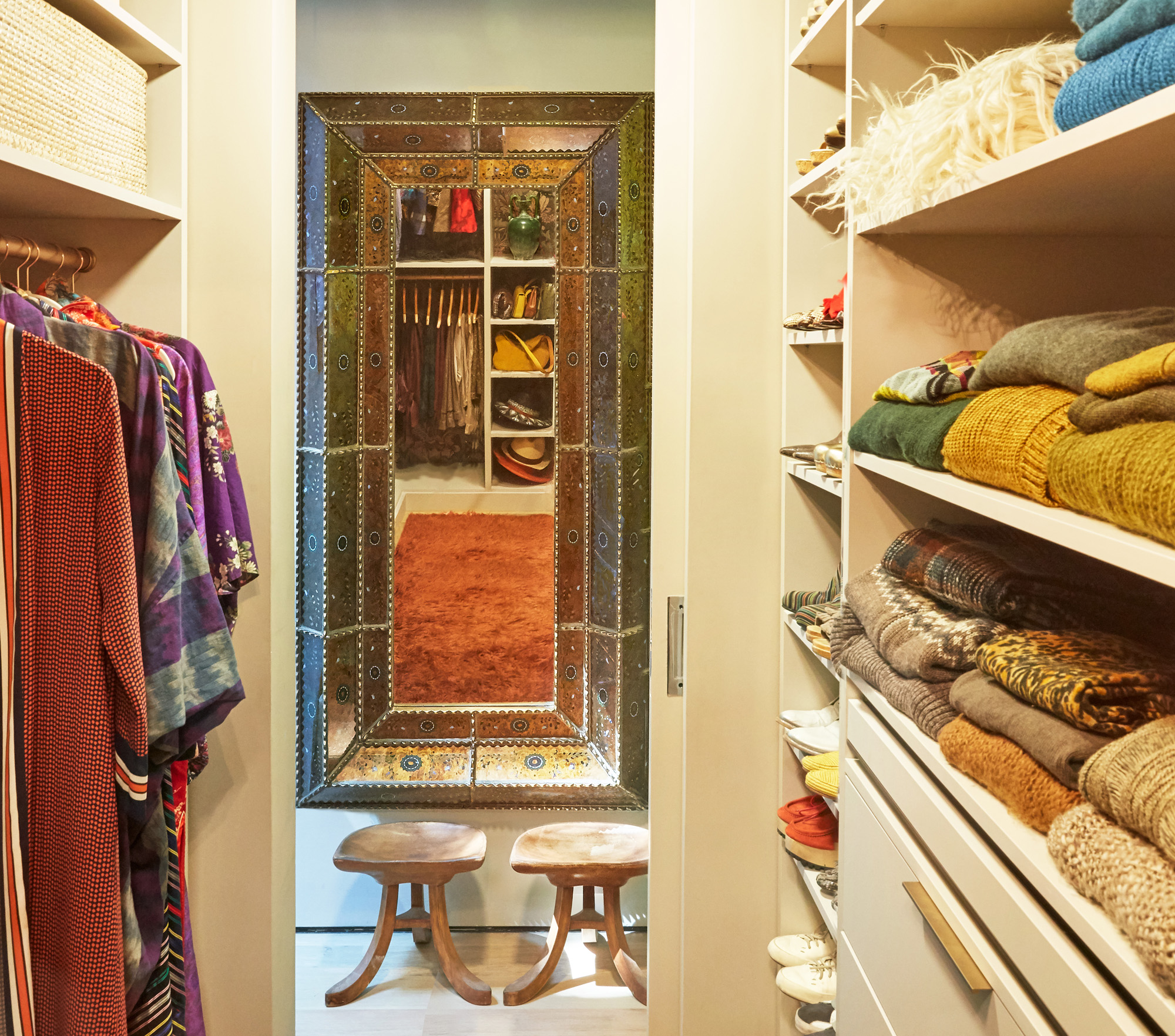
Naiman’s approach emphasizes awareness and intentionality, encouraging readers to reconsider how everyday spaces shape behavior and mood.
Naiman’s background helps explain the hybrid nature of her thinking. The daughter of two psychiatrists, she grew up steeped in the language of emotional awareness—cognitive behavioral therapy on one side, psychodynamic theory on the other. At the same time, her childhood was marked by instability: a Soviet emigre family moving every two years, never quite settling. Home, in other words, was not a fixed point but a shifting stage set.
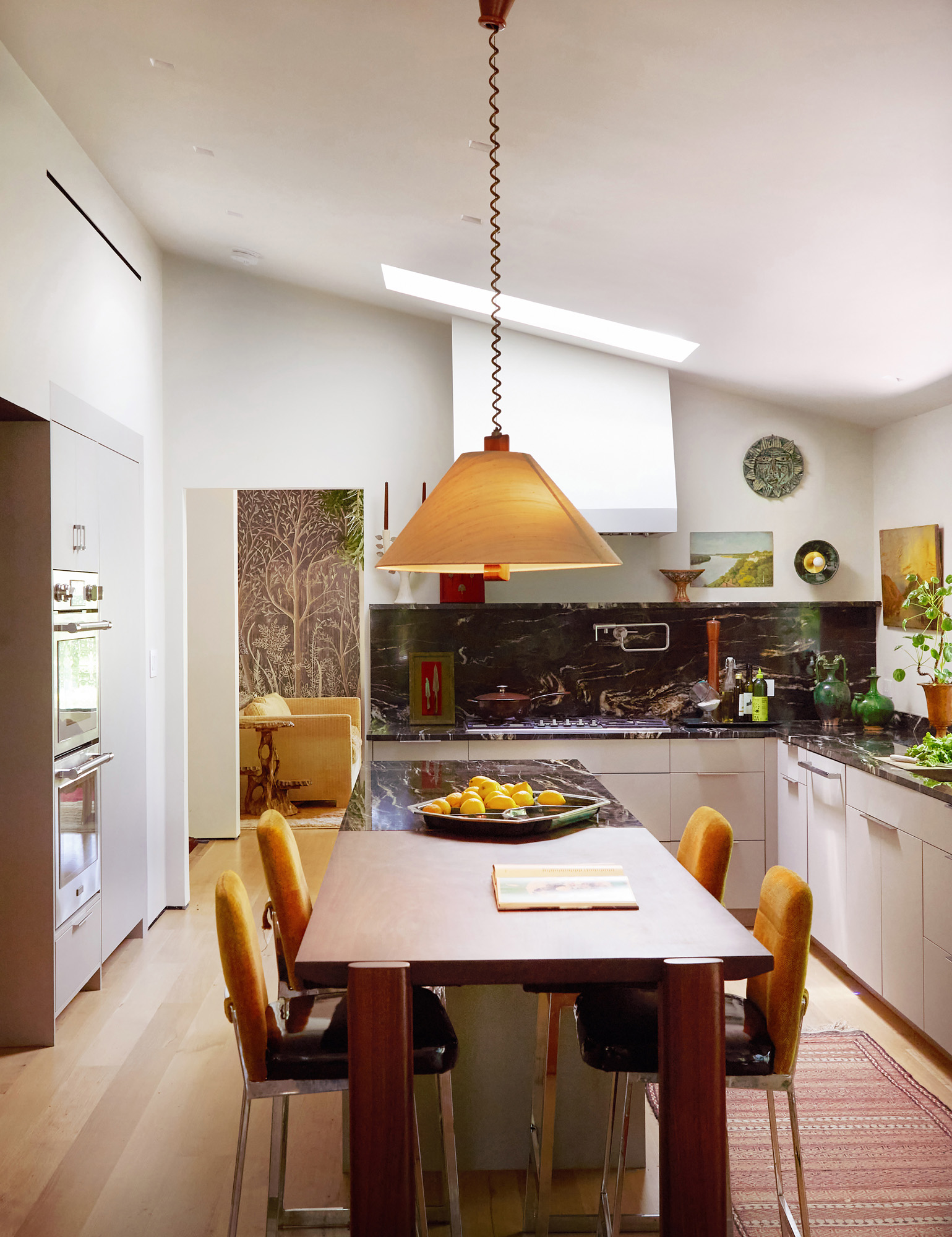
Rather than chasing trends, Naiman focuses on creating interiors aligned with the lives people hope to build for themselves.
That dual inheritance—psychological rigor and spatial impermanence—runs through the book. After an early career in magazines (including a stint at House Beautiful), followed by graduate study in scenography at Central Saint Martins, Naiman spent two decades as a stylist, creating interiors on demand for clients and shoots. She could execute any look, inhabit any aesthetic. What she couldn’t do, at least at first, was connect that work to something deeper. “I was creating chic spaces,” she writes, “but my soul was left wanting.”
Home as Laboratory
Spatial Alchemy is her answer to that lack—a system that attempts to fuse the external and internal, the decorative and the psychological. At its core is a reframing of the home as a kind of laboratory. You are the subject, the experimenter, and the experiment itself. The variables are not just color, texture, and layout, but belief systems, emotional patterns, and what she calls the “Future Self”—a version of you that already inhabits the life you’re trying to build.
The process unfolds in stages that feel part therapy session, part design consultation. First, you articulate what you want—career change, relationship, stability. Then you interrogate why you don’t have it. Finally, you walk through your home and look for physical evidence of those limitations: the neglected corner, the broken object, the layout that reinforces avoidance.
It’s a method that collapses metaphor into material. Your subconscious isn’t hidden—it’s sitting on your shelves.
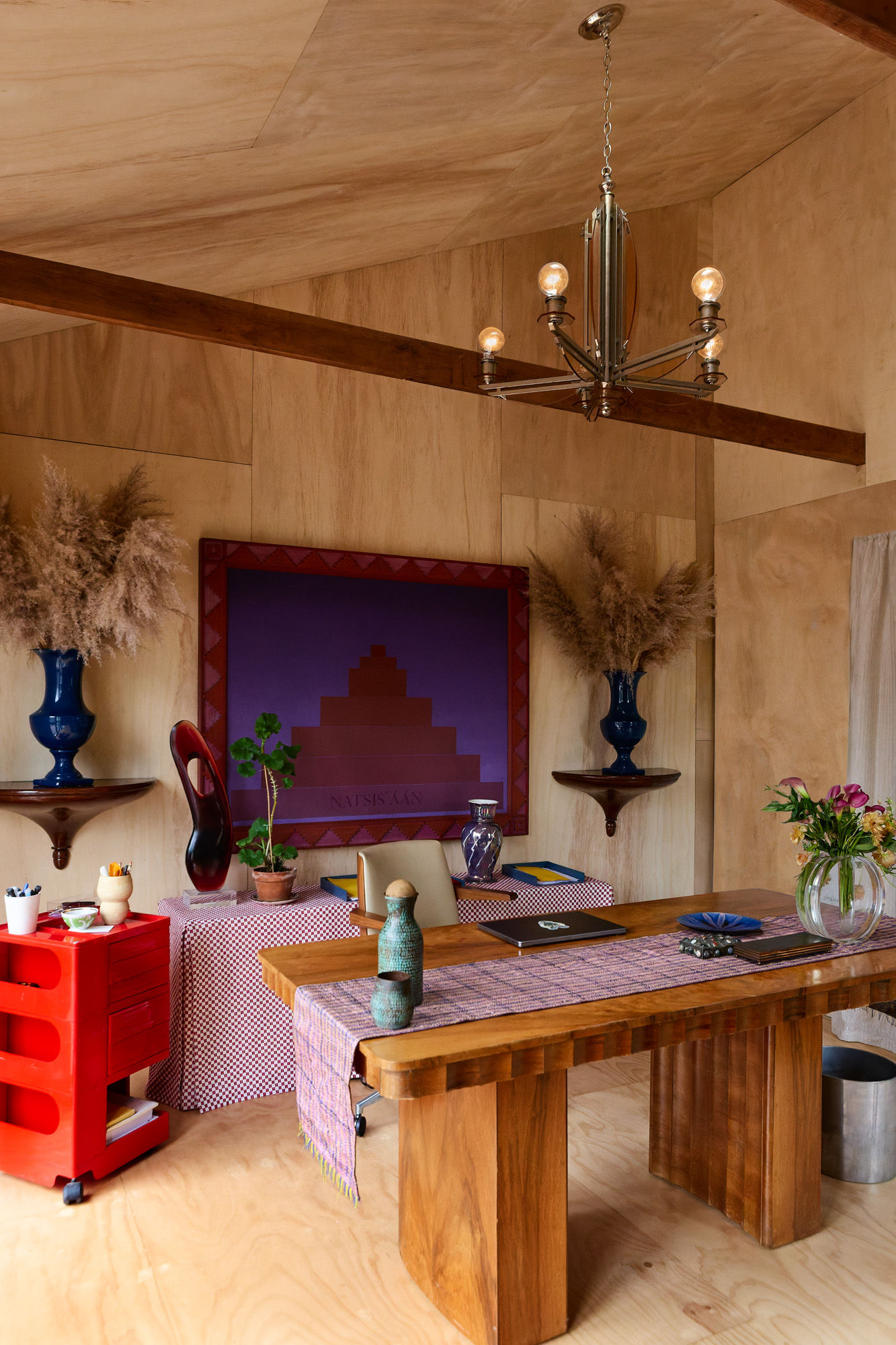
Spatial Alchemy blends interior design, psychology, and spiritual practice into a framework for personal transformation through space.
From there, the work becomes tactical. Remove objects that reinforce outdated identities. Introduce elements that align with who you’re becoming. Rearrange, reframe, recalibrate. The changes can be small—swapping out a lamp, repositioning a chair—but, in Naiman’s telling, they trigger a kind of domino effect, rippling outward into the rest of your life.
“Re-parenting” Through Design
Skeptics will recognize echoes of feng shui, manifestation culture, and the broader wellness-industrial complex. Naiman acknowledges as much, but positions Spatial Alchemy as something more grounded. It draws equally from neuroscience and spiritual practice, from attachment theory and Kabbalah. The home operates across what she describes as four “realms”: physical, mental, emotional, and spiritual, all of which must be brought into alignment.
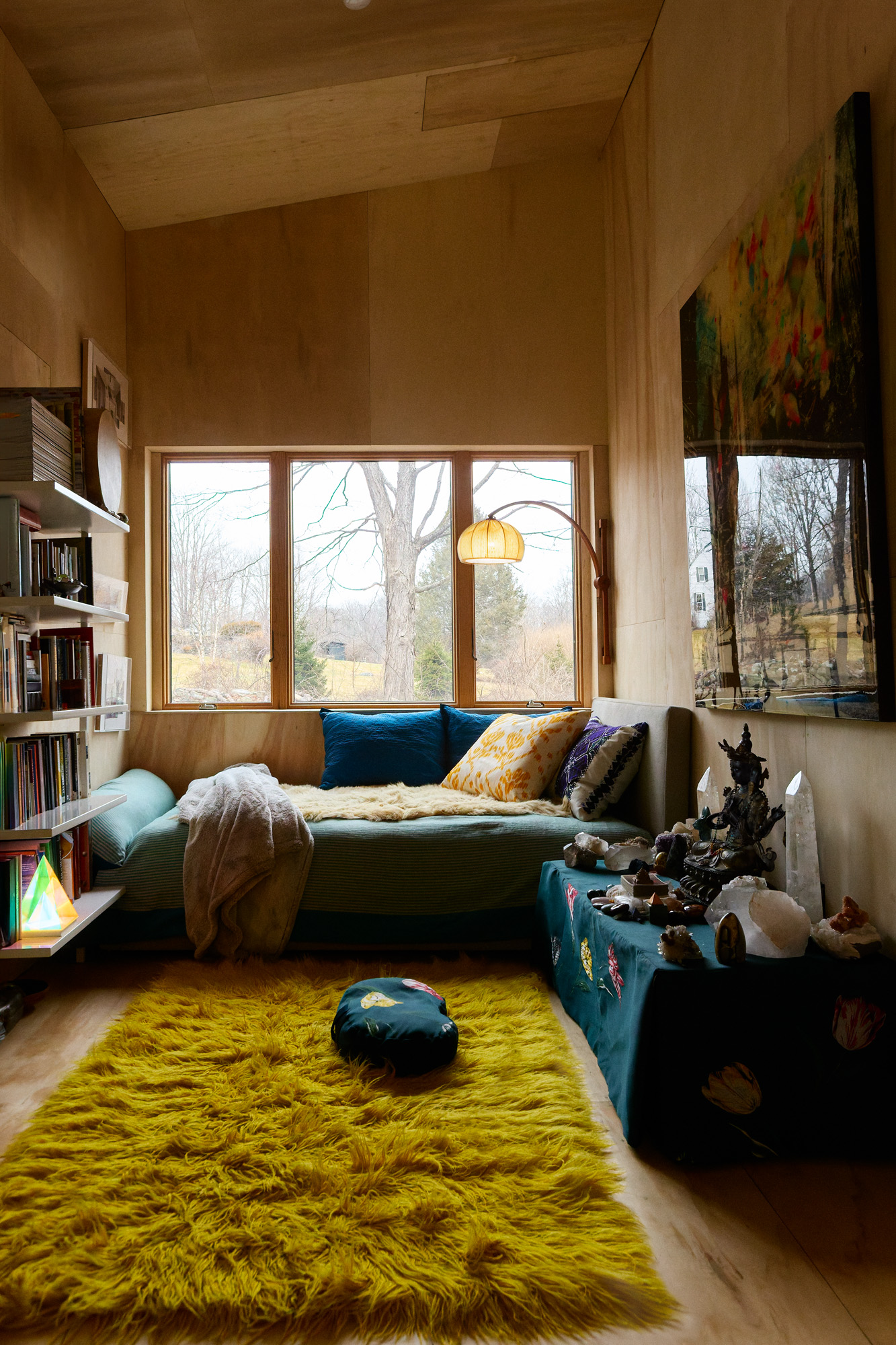
Naiman encourages readers to see their homes as “laboratories” for change, where even small adjustments can reshape daily experience.
If that sounds abstract, the book works hard to bring it down to earth. One of its more compelling through-lines is the idea of “re-parenting” through design. Many of us, Naiman argues, replicate the emotional conditions of our childhood homes without realizing it—whether that means neglect, instability, or a lack of care. By consciously designing spaces that provide what was missing, we can begin to rewrite those patterns.
In her own case, that meant creating what she calls an “emotional regulation chair”—a specific place to retreat when overwhelmed—along with tactile comforts like soft blankets and supportive seating. It’s not revolutionary design, exactly, but the framing shifts its meaning. A chair is no longer just a chair; it’s a mechanism for self-soothing, a physical intervention in an emotional loop.
There’s a practical intelligence to this, even if you don’t buy the full alchemical premise. Anyone who has ever tried to work at a cluttered desk or sleep in a chaotic bedroom knows that space exerts pressure. What Naiman offers is a language—and a system—for understanding that pressure more precisely.
She’s particularly good on the idea of “stuckness,” a word that recurs throughout the book. Stuckness isn’t just a feeling; it’s something that takes form. It’s the pile of unfinished projects, the furniture arranged around a TV you don’t even like watching, the artwork that no longer resonates but stays up out of inertia. These aren’t neutral objects. They are, in her view, active participants in maintaining the status quo.
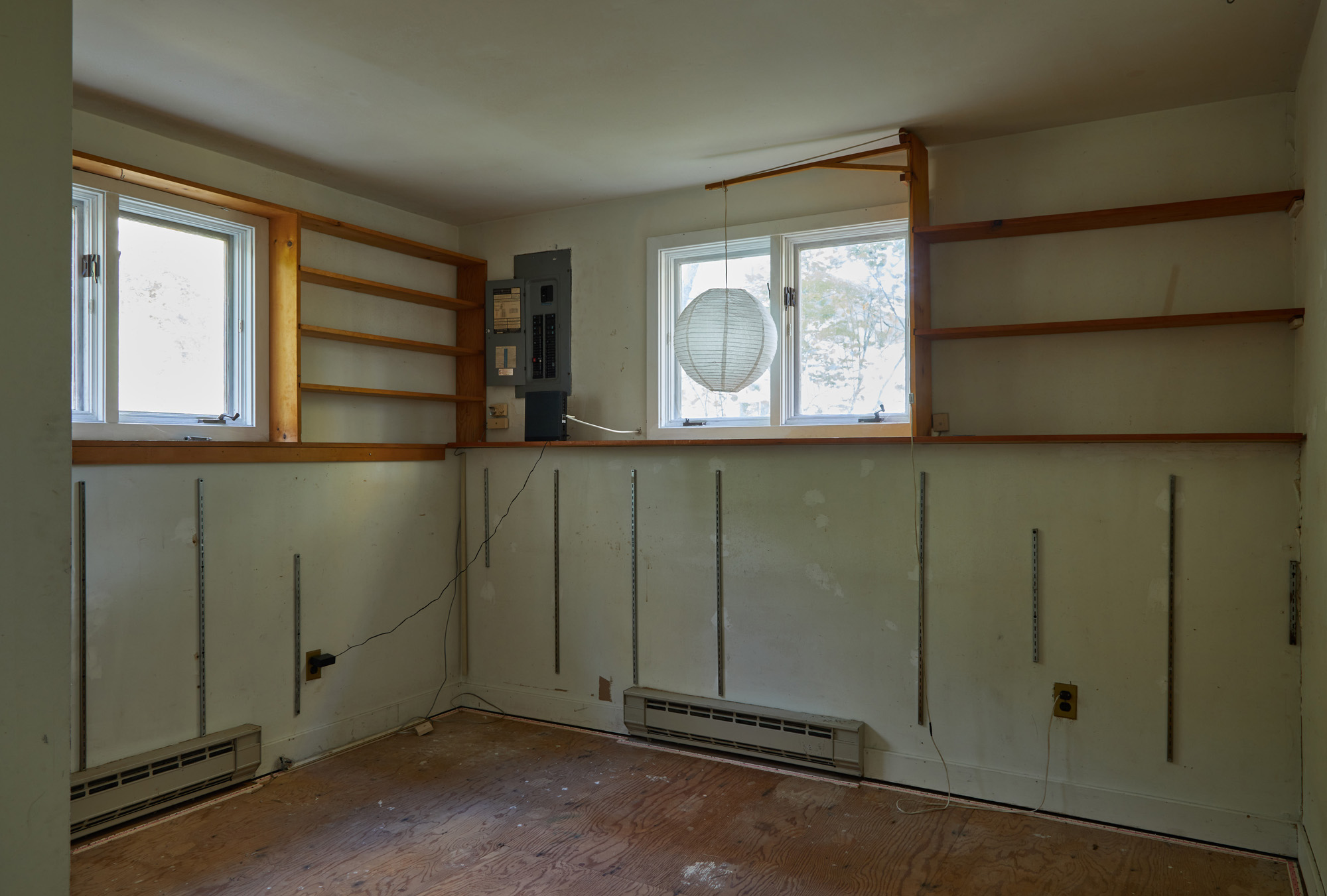
Before renovations, the house reflected the kinds of emotional and spatial “stuckness” that Naiman explores throughout Spatial Alchemy.
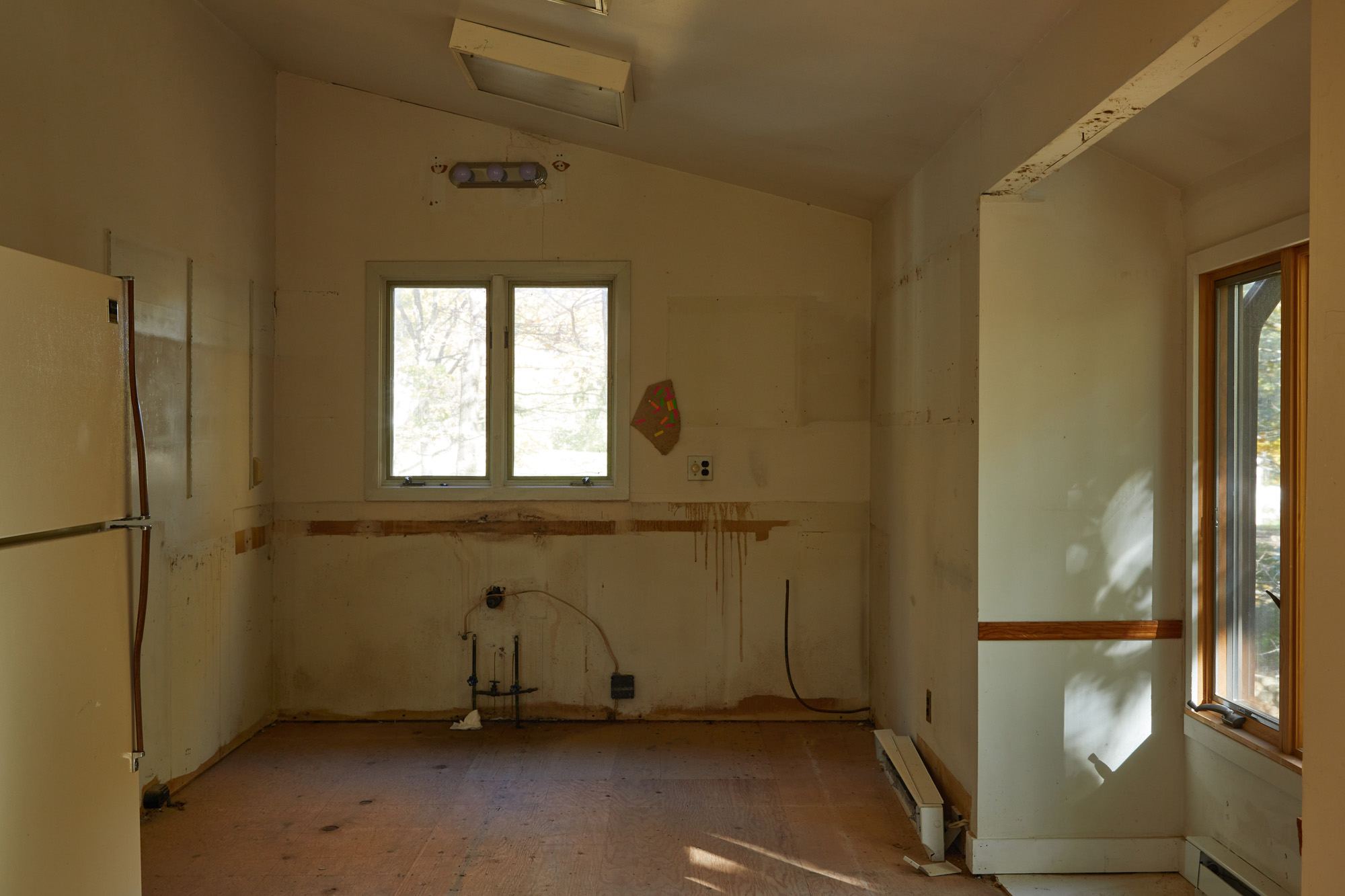
Conversely, change doesn’t require a gut renovation. One of the book’s arguments is that transformation often begins with modest interventions. “Small moves, big shifts,” as one section title has it. The emphasis is less on acquisition than on awareness—seeing what you already have, and how it’s functioning.
Focused on Alignment
This is where Spatial Alchemy departs most clearly from conventional design culture, with its emphasis on consumption and novelty. Naiman isn’t particularly interested in trends. Her focus is on alignment: Does this object support the life you’re trying to build, or does it anchor you to the one you’re trying to leave?
It’s a question that lands differently depending on where you’re standing. In the Hudson Valley, where aesthetic reinvention is practically a local industry, the idea of the house as a site of personal transformation is already in the air. Naiman’s contribution is to make that impulse explicit—and to systematize it.
Whether you read Spatial Alchemy as a design manual, a self-help book, or a kind of secular spirituality, its central claim is hard to shake: The spaces we inhabit are not passive. They shape us, just as surely as we shape them.
Or, as the Winston Churchill quote that opens the book has it, with a certain inevitability: We make our buildings—and then they make us. Naiman’s twist is to suggest that, with a little intention, we can make them make us better.